

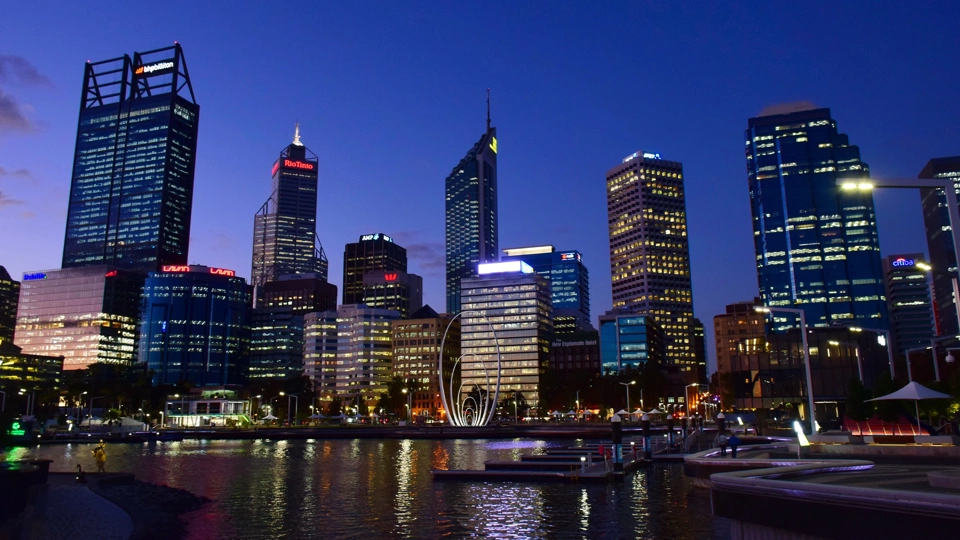

Economic conditions remain challenging across Australia and New Zealand, but construction activity across both the non-residential building and infrastructure sectors continues to be supported by major investment programmes.
From defence, energy transition and utilities investment to data centres and digital infrastructure, long-term funding commitments are sustaining demand for skills, resources and specialist expertise despite a softer economic backdrop.
Our latest Australia and New Zealand market intelligence report H2 2026 explores the trends shaping construction activity, costs and market confidence.
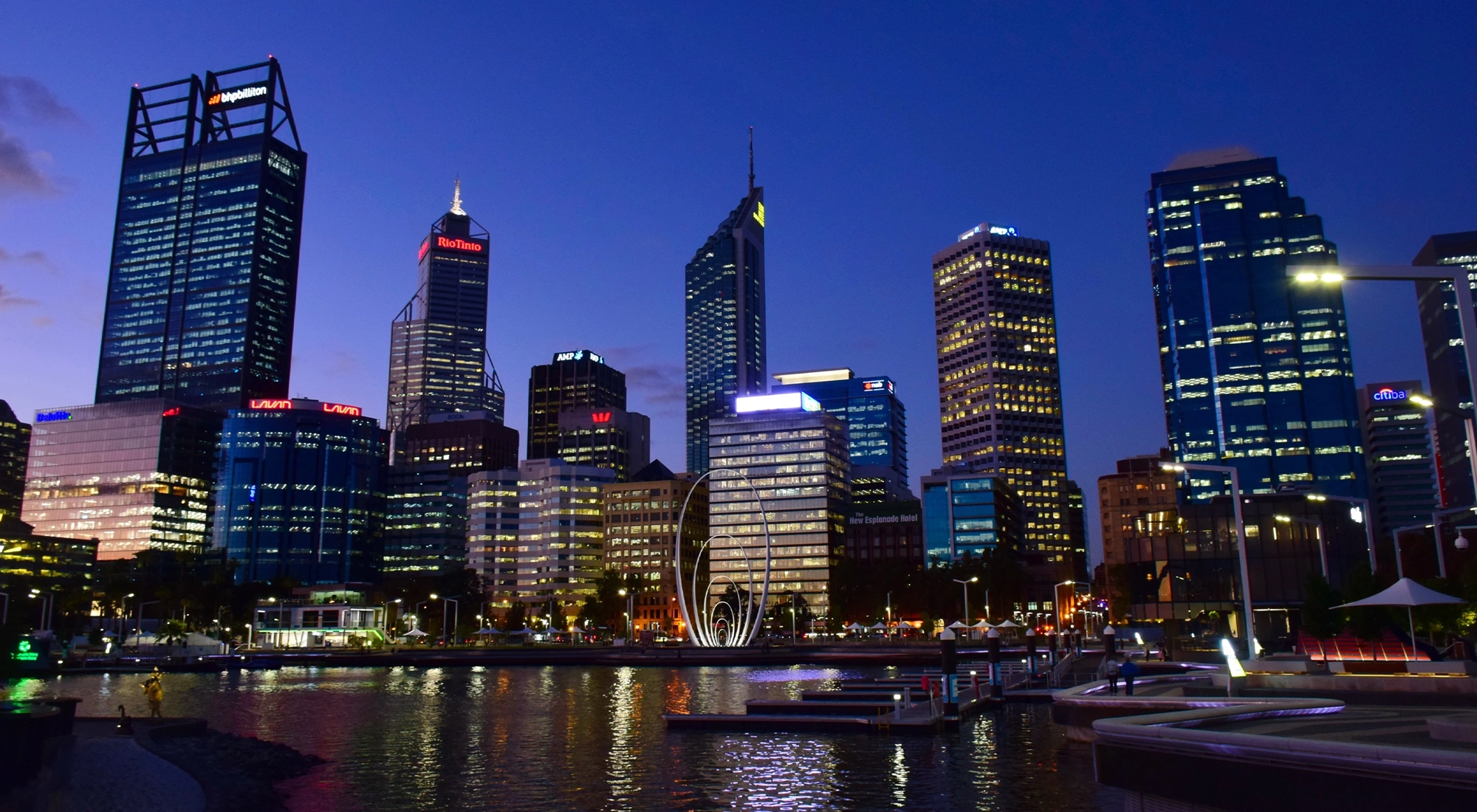
The sectors keeping construction moving
Economic growth remains constrained by higher borrowing costs, cost-of-living pressures and ongoing geopolitical uncertainty, leading to more cautious investment decisions, particularly in sectors where project viability is highly dependent on financing conditions.
However, construction activity isn't slowing consistently. Instead, demand is becoming increasingly concentrated in sectors supported by long-term public and private investment.
In Australia, infrastructure investment across defence, energy, transport and utilities continues to sustain demand. Data centres, health and government-funded construction projects support the non-residential building sector. In New Zealand, infrastructure investment is helping offset softer conditions across much of the non-residential building market.
Data centres reshape both building and infrastructure demand
Data centre development has emerged as one of the strongest drivers both countries, driven by growth in cloud computing, AI and broader digital transformation programmes.
Beyond generating significant building activity, data centres are increasing demand for utility connections, power infrastructure, electrical upgrades and specialist building services trades. This interaction between building demand and enabling infrastructure is becoming increasingly important in markets such as New South Wales, Victoria and Auckland.
“As projects grow in scale and complexity, power availability, utility upgrades and procurement of specialist equipment are becoming critical delivery considerations.”
Extended lead times for generators, switchgear and other critical electrical components continue to influence programme planning and risk management.
Defence and infrastructure are driving the next phase of investment
Alongside digital infrastructure, defence has become one of Australia’s most significant long-term construction growth sectors.
The Australian Government’s AU$330bn defence capability investment programme is supporting a multi-decade pipeline of work across naval shipbuilding, marine facilities, strategic logistics assets and associated enabling infrastructure. These programmes are also creating demand across heavy civil construction, utilities, transport and industrial sectors.
At the same time, investment in utilities and energy infrastructure is sustaining activity despite broader economic uncertainty, while placing continued pressure on labour availability and specialist skills.
Infrastructure is playing a similarly stabilising role in New Zealand. While non-residential building activity has generally softened since 2024, ongoing investment in transport, water and critical infrastructure continues to support market resilience.
Labour challenges are becoming more localised
Labour shortages remain a challenge, but pressures are becoming increasingly regionalised.
Demand is strongest in Western Australia and Queensland, driven by major infrastructure, resources, energy generation and defence programmes. Meanwhile, softer market conditions in Victoria have eased some labour pressures compared with recent years.
“Across Australia and New Zealand, competition remains intense for specialist mechanical, electrical and building services trades.”
Sectors attracting the highest levels of investment, including data centres, utilities, defence and energy, continue to rely on a relatively small pool of specialised skills.
Infrastructure remains more exposed to energy-related cost pressures
A growing divergence has emerged between cost escalation in non-residential building and infrastructure projects.
Infrastructure projects have greater exposure to fuel and energy costs through plant, transport, earthworks, quarry products, concrete and asphalt. As a result, these pressures have continued to influence infrastructure cost escalation throughout 2026.
Non-residential building projects have generally experienced more stable pricing conditions, supported by stronger competition for work and more selective private sector investment.
Material inflation has eased, but risks remain
The widespread material inflation experienced during the pandemic has largely moderated, although pricing conditions remain uneven.
Volatility in global energy and fuel markets continues to affect freight, logistics and oil-based products, creating targeted cost pressures despite broader market stabilisation.
Electrical products, cable and copper-intensive materials remain under pressure due to strong demand from energy, utilities and data centre projects. Rising oil prices are also contributing to higher costs for products such as plastics and PVC pipework.
While broad-based materials inflation has eased, procurement risks remain for specialised equipment and products where demand continues to outpace supply.
“Proactive procurement planning remains critical, particularly for projects dependent on imported equipment or specialist systems.”
What do the next six months hold for construction across Australia and New Zealand?
Despite a weaker economic backdrop, construction activity across Australia and New Zealand is expected to remain supported by long-term investment programmes.
“Market conditions are becoming increasingly sector-specific, with project outcomes influenced as much by asset class and location as by broader economic conditions.”
For project owners and investors, the challenge is no longer whether projects will proceed, but how they can be delivered successfully in an environment where labour, supply chains and specialist capability remain under pressure.
Organisations that identify emerging risks early and plan proactively will be best positioned to navigate a more selective and competitive market.
For a deeper analysis of construction activity, labour availability, cost escalation and regional trends, read our Australia and New Zealand market intelligence report H2 2026.
Explore our flagship, data-led market intelligence reports









































Get our latest insights direct to your inbox
Sign up for our quarterly newsletter - trends, market intelligence and expert perspectives.
Get our latest insights direct to your inbox
Sign up for our quarterly newsletter - trends, market intelligence and expert perspectives.