Market intelligence:
Tariffs and turbulence


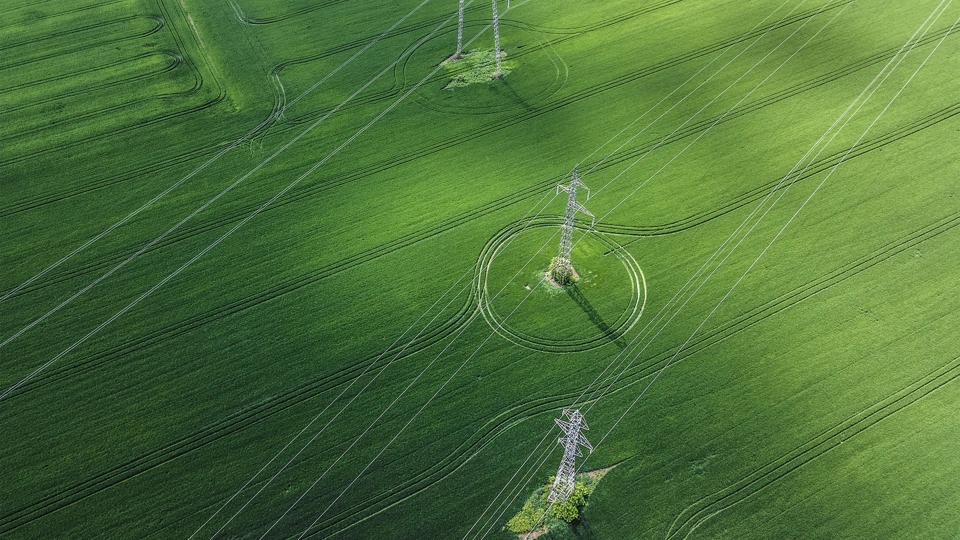

Electricity demand is rising fast. Electrification, the power needs of data centres running AI, growing volumes of renewables and ageing networks that need replacing are all creating pressure in the same direction. Investment is following, at record levels in many markets. So what's holding delivery back?
The challenge is turning the investment into programmes that actually get built, on time and on budget. Grid operators are being asked to keep live networks running while setting up mega-scale programmes many haven't attempted before. That's where the real complexity sits.
“The question is whether the organisations responsible for the grids can deliver the scale, speed and resilience of network expansion needed to keep clean energy projects, new demand and economic growth on track.”
There are four areas where operators and developers need to focus to close the gap between ambition and delivery.
• getting programme set-up right before delivery starts
• using digital to improve decisions, not just modernise systems
• treating people, contractors and equipment as the real constraint
• designing resilience in from the start, not adding it later
Speed doesn't come from cutting corners. It comes from getting governance, controls and decision-making right before delivery starts.
A clear programme management office (PMO) gives operators a structured way to prioritise a crowded pipeline. When everything feels urgent, you need a reliable basis for deciding what gets built first. Well-defined roles, reporting lines and decision rights do much of the work here. Slow decisions are one of the biggest hidden costs on any major programme and one of the most avoidable.
Integrated cost, schedule and risk controls are equally important. They give you one consistent view of performance, so teams can act early rather than respond late. In the busiest markets, the pressure to rush is greatest, and that's precisely when a robust delivery framework proves its value.
“When the pipeline is packed, disciplined set-up isn't a brake on speed. It's what makes speed sustainable.”
Our work with EirGrid on the Celtic Interconnector reflects this in practice. The €1.6bn project will enable the exchange of 700 MW of electricity between Ireland and France. We've provided project, contract and commercial management since 2020, embedding our people directly within EirGrid's organisation to navigate the technical complexity of a programme of this scale. We developed detailed contingency plans for the highest-risk elements of the work, ensuring the programme continued to move at pace with mitigations in place when needed.
Digital tools aren't the goal. Better, faster decisions are. The two only connect when technology is matched to how an organisation actually works.
The right starting point is a digital maturity assessment, an honest review of where your systems, data and capabilities stand today. From there, you can build a realistic roadmap. Adopting tools your teams can't use effectively or securely creates risk, not value.
Once the foundations are in place, the returns are significant:
On complex, high-value programmes, our controls and digital tools give clients a single source of truth, one consistent set of data that everyone works from. That supports informed decisions from portfolio level down to the field, including on nationally significant infrastructure and live capital delivery frameworks. Reliable data, used well, is what keeps a programme honest and keeps stakeholders aligned.
Funding is rarely the scarcest resource on a grid programme. People, contractor capacity and specialist equipment are and competition for all three is global.
Long-lead items, transformers and cable in particular, can set the pace of an entire programme. Order late and everything slips. Procurement strategy has to account for that reality from the outset, not treat it as a detail to resolve later.
Skills are the other significant constraint. Building new technical capability takes time that most operators don't have. In the near term, it's worth looking across to adjacent sectors. People with experience in water or conventional energy already carry much of the technical knowledge needed for transmission and distribution work and they're more straightforward to retrain and redeploy than many expect.
A few practical principles help here:
Expansion alone isn't the answer. The grid we build now has to cope with extreme weather, shifting demand patterns and security threats that weren't on the radar a decade ago.
Renewables are inherently variable, so networks need the flexibility and storage to balance supply and keep power consistent. Decentralised generation adds further complexity. Planning has to account for many smaller, distributed sources feeding into the system, not just a few large central ones.
“Building a larger grid isn't the same as building a better one .”
The networks that will deliver long-term value are those designed for uncertainty, capable of adapting as demand, technology and policy continue to evolve.
The largest overhaul of electricity grids in generations is now under way. Its success will depend on delivery discipline as much as on the scale of investment. Get the programme set-up right, use digital tools to sharpen decisions, plan honestly around supply-chain capacity and design for resilience, and you convert record spending into infrastructure that performs.
Grids have become a strategic enabler. They underpin economic growth, energy security and decarbonisation at the same time. The organisations that move ahead will be those that pair capital investment with a clear, practical focus on how the work gets done.
The constraint isn't ambition. It's whether grid organisations can translate unprecedented investment into programmes that are prioritised, well-governed and deliverable at pace. That's where the advantage lies.
Sign up for our quarterly newsletter - trends, market intelligence and expert perspectives.
Sign up for our quarterly newsletter - trends, market intelligence and expert perspectives.