Market intelligence:
Tariffs and turbulence


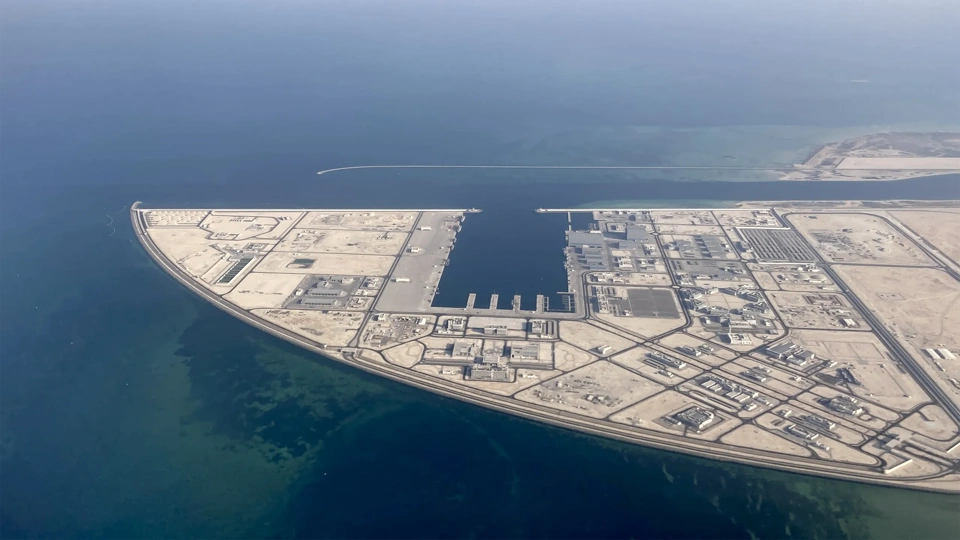
Defence localisation in the Middle East has matured significantly over the past decade. For much of that time, the focus was on bringing more defence work to the region, establishing facilities, creating jobs and increasing local participation. Now, the scope is broadening.
Those efforts from the past decade have created a strong foundation. Today, the focus is broadening from establishing local presence to building industrial capability, technological expertise and long-term economic value.
As a result, the measures of success are changing and so are the priorities of the organisations leading the way.
Defence localisation has been one of the Gulf's defining strategic priorities.At its simplest, localisation means keeping more defence spending in national economies. It does this through local manufacturing, supply chains, jobs and partnerships. This prevents money from flowing out of the region.
However, the foundations are now in place, and the conversation is starting to change. Increasingly, it's less about how much work can be brought into the region and more about the value the region can create from it.
Across the region, governments have moved localisation from policy aspiration into tangible industrial activity.
In Saudi Arabia, defence localisation has increased from around 4% of military spending in 2018 to 24.9% by the end of 2024, with a target of exceeding 50% by 2030. The Kingdom has also licensed almost 300 military industry facilities and companies, creating a rapidly expanding industrial base.
The UAE has pursued a similar agenda. Its Tawazun Economic Programme has enabled more than 130 strategic industrial initiatives spanning defence, aerospace and advanced technology. Military contracting companies like EDGE Group have shown how regional defence firms can scale and compete internationally, reporting approximately US$5bn in revenue in 2024, with products reaching customers in over 90 countries and more than 20% of revenue generated through exports.
These achievements matter. They show that more defence spending is supporting local economies, domestic capability has expanded and international defence companies have become increasingly embedded within regional markets.
For much of the last decade, the focus was on building capacity. This included attracting investment, establishing facilities, creating jobs and developing local participation in defence programmes. Those were essential first steps.
“Today, many of those foundations are in place.”
The question is therefore no longer simply how to bring more work into the region. It's how to create greater value from the work that's already here. That's where the conversation moves from localisation towards industrialisation.
Industrialisation is often treated as a policy term, but it's more practical than that. It isn't about producing every component locally or reducing dependence on international partners. That's neither realistic nor desirable.
Every major defence market relies on global supply chains, specialist technologies and international collaboration.
Industrialisation means moving up the value chain. It involves building expertise, technology and capability. These strengths make organisations essential to the wider defence sector – they become key contributors, not just participants.
This distinction matters. Capacity can be created through investment and procurement. Capability takes longer. It develops through experience, knowledge transfer, innovation and the gradual strengthening of supply chains, skills and supporting industries.
“For leaders across organisations such as the General Authority for Military Industries and the Tawazun Council for Defence Enablement, that creates a different set of priorities.”
Manufacturing capacity remains important, but long-term competitiveness will increasingly depend on factors that are harder to measure.
Where is intellectual property being developed? How resilient are domestic supply chains? Which specialist skills will be needed five or 10 years from now? How can local companies secure positions within global programmes, rather than individual contracts?
These are the questions that will shape the next phase of growth.
The UAE already gives an indication of what this will look like. The growth of EDGE is significant not just because of its scale, but because it shows how investment in technology, product development and international markets can translate into export growth and global reach.
Saudi Arabia is creating similar opportunities through its localisation agenda. The scale of investment, regulatory reform and industrial development over the last several years has built a platform from which more advanced capability can emerge. The challenge now is making sure investment in manufacturing is matched by investment in people, technology and innovation.
“This is particularly relevant given the current geopolitical environment.”
Recent disruptions to supply chains, growing competition for critical technologies and rising concerns around resilience have all reinforced the importance of understanding not only where products are made, but where expertise and capability sit.
As a result, localisation targets alone are unlikely to tell the full story. A more meaningful measure may be the extent to which regional organisations are creating technology, developing specialist knowledge and generating opportunities that extend beyond domestic demand.
Getting there will take closer alignment between government, industry and academia. It will take procurement decisions that support longer-term capability development, not just immediate programme delivery. It will also require organisations to think beyond individual projects and consider the role they want to play within the defence ecosystem 10 or 20 years from now.
“What makes this exciting is that the region isn't starting from scratch.”
The foundations have been laid down. Investment is flowing into the sector, domestic capability is growing and regional defence organisations are becoming more ambitious about how they position themselves in the global market.
This creates a real opportunity and not only for defence manufacturers and technology providers. It extends to the wider ecosystem of organisations helping to deliver this transformation.
Building a sustainable defence industry takes more than production capability alone. It takes programme delivery, infrastructure, supply chain development, skills planning, investment strategies and the ability to bring multiple stakeholders together around a common objective.
The Gulf has spent the last decade building the foundations of a domestic defence sector. What's exciting now is that the conversation has shifted, from how much activity can be brought into the region to what the region can create from it.
That's a very different ambition. It's measured not only by local content, but by innovation, expertise, exports and influence within the global defence market. If the last decade was about localisation, the next could be about establishing the Middle East as a recognised centre of defence capability in its own right.
The organisations that invest now in people, technology and capability, not just manufacturing capacity, will be the ones that shape it.
Sign up for our quarterly newsletter - trends, market intelligence and expert perspectives.
Sign up for our quarterly newsletter - trends, market intelligence and expert perspectives.