Market intelligence:
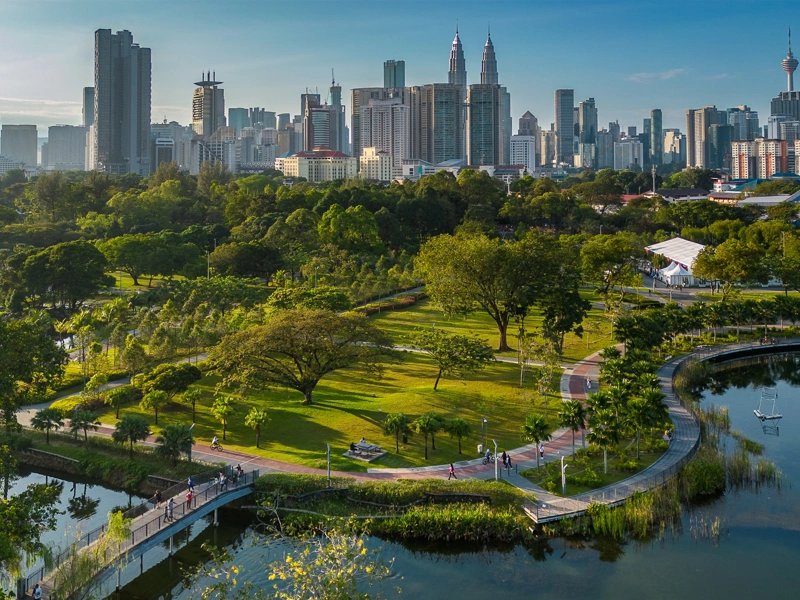
Budget 2027: Malaysia’s next growth advantage


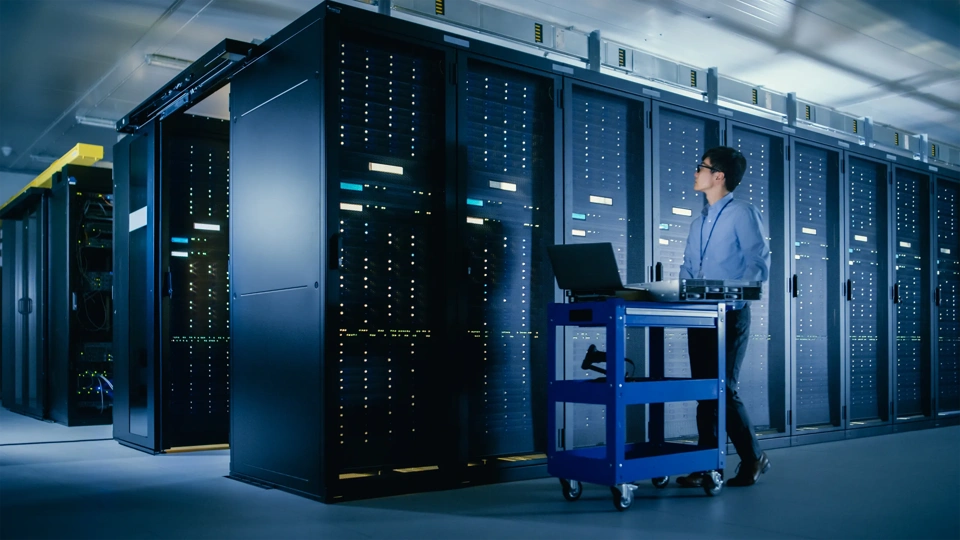

As demand for AI infrastructure accelerates, data centre investment is expanding beyond Asia Pacific’s traditional hubs into a wider range of markets. Yet the race to deliver capacity is increasingly shaped by access to power, skilled labour and supply chain capability rather than construction costs alone.
Our latest Data centre construction cost index 2026-27 shows how developers across the region are adapting to meet demand at a scale the market has never seen.
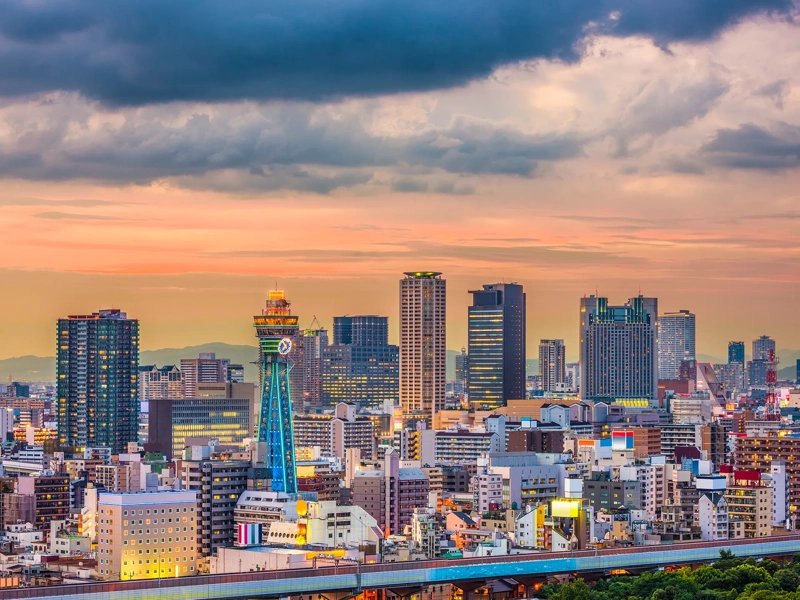
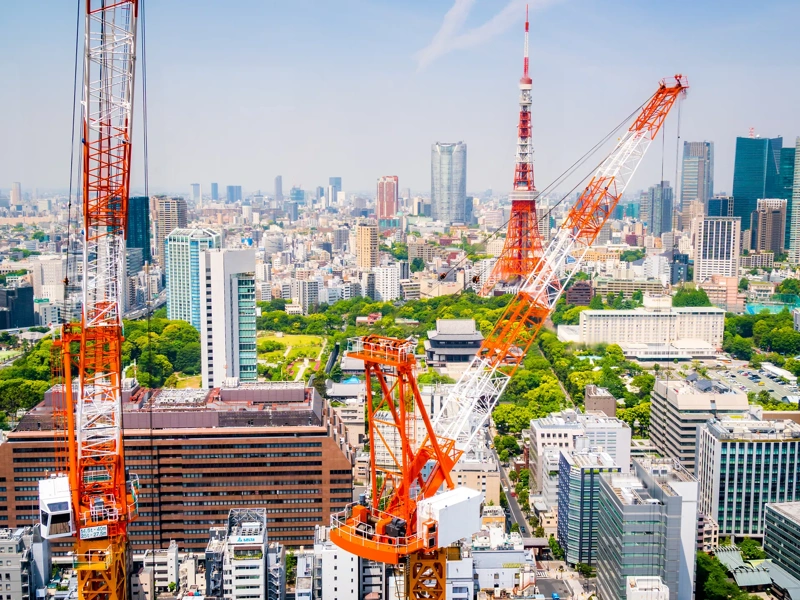
Tokyo has topped the global construction cost rankings for the fourth consecutive year at US$18.28 per watt, while Osaka ranks second globally at US$17.15 per watt. Together, they confirm Japan's status as both a regional and global digital powerhouse, with Osaka continuing to expand as a major hub in its own right.
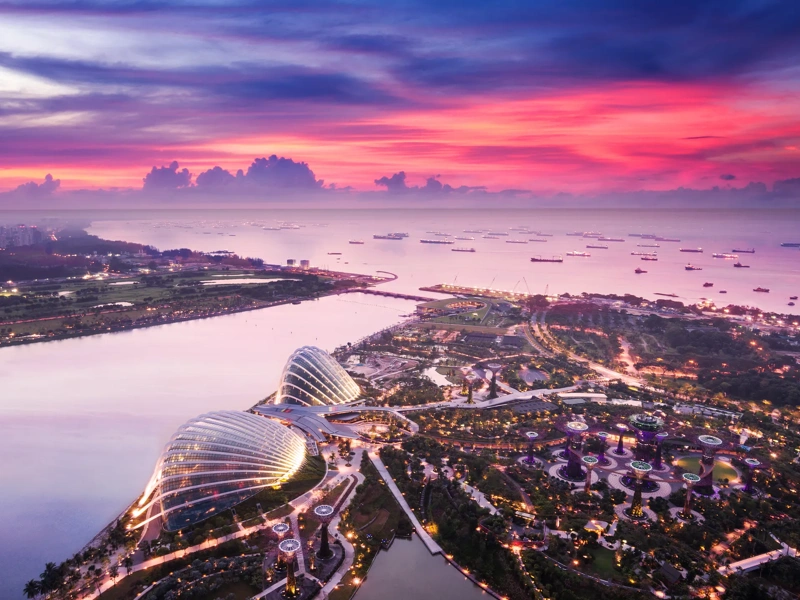
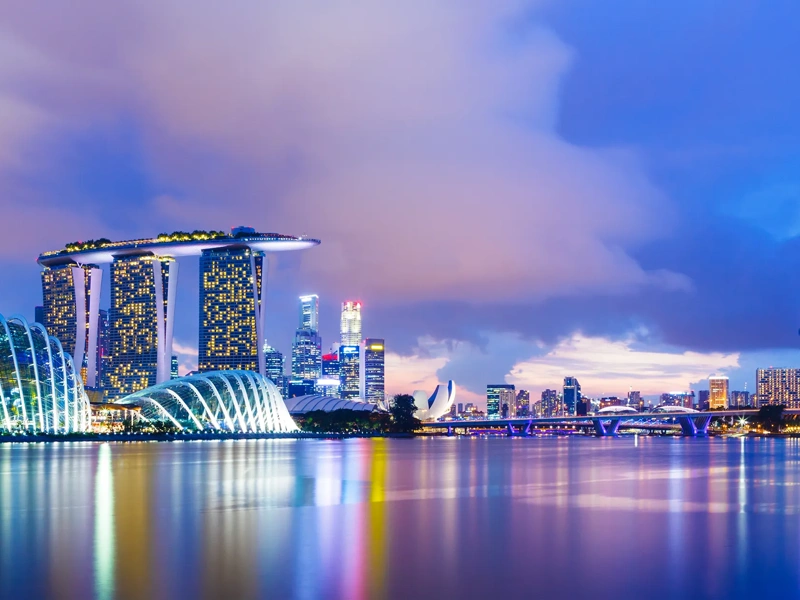
“Singapore ranks as the world’s fourth most expensive market at US$15.39 per watt.”
Costs continue to rise across Asia-Pacific's key data centre hubs, with demand showing no signs of abating driven by AI growth, data sovereignty requirements and a strong pipeline of incoming projects.
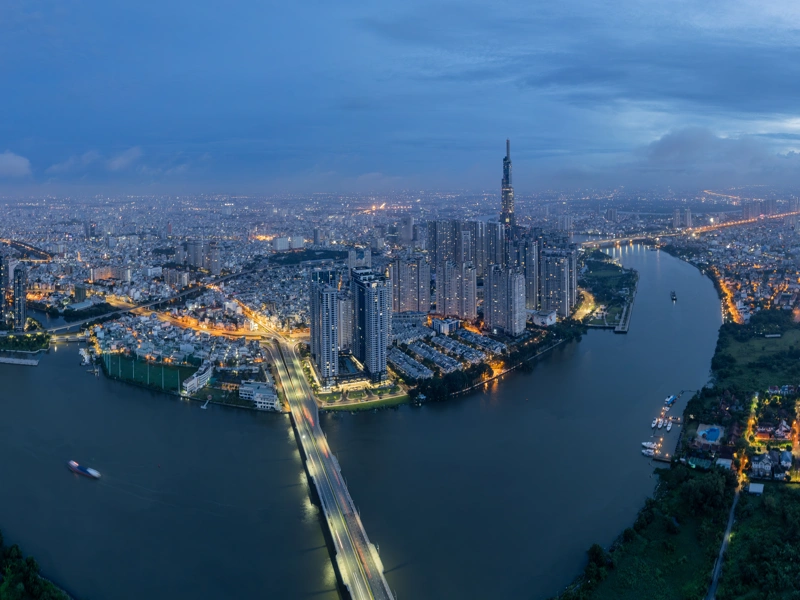
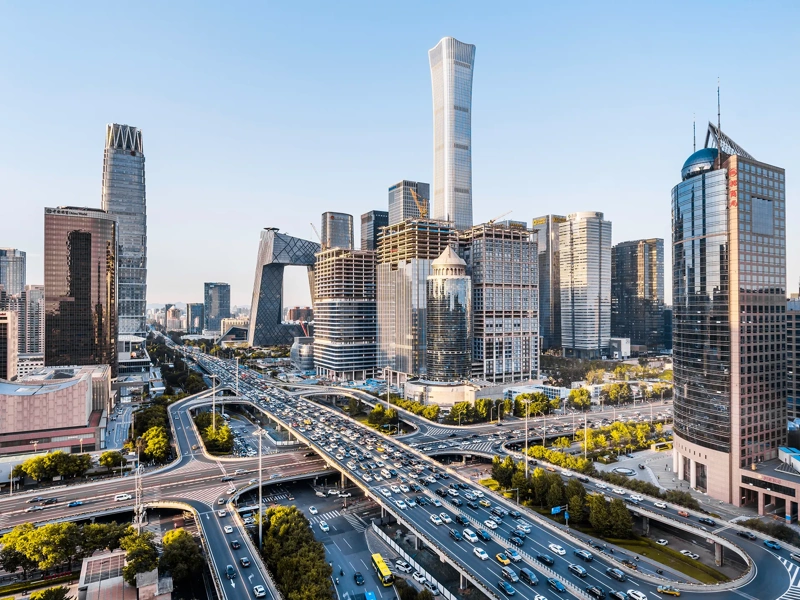
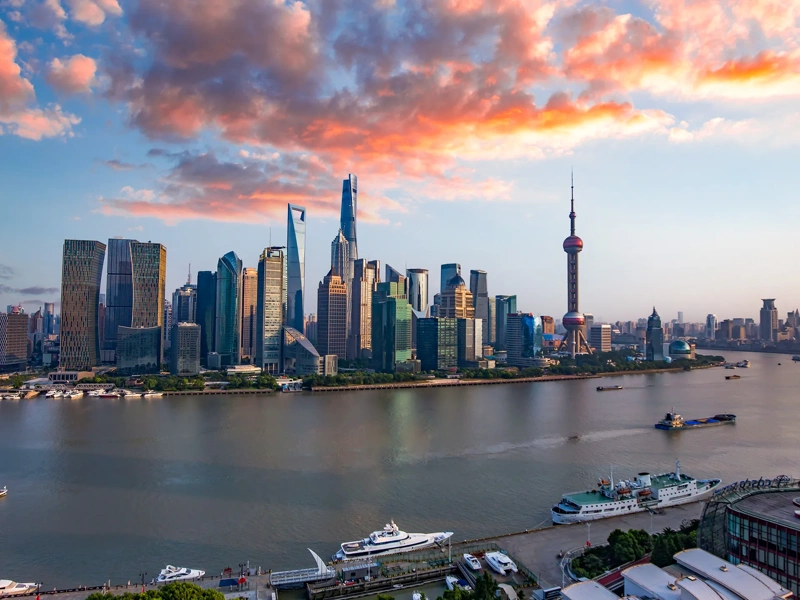
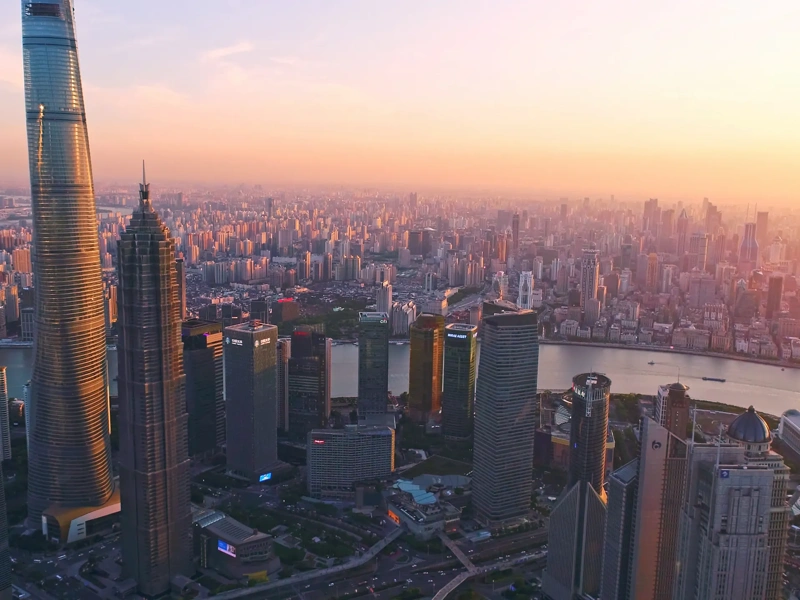
Asia Pacific is also home to the lowest-cost locations in the index with Shanghai (US$5.79/W), Mumbai (US$6.83/W) and Ho Chi Minh City (US$8.32/W) emerging as the most affordable markets to build in.
While lower construction costs make these locations attractive, their growing appeal also stems from greater availability of critical resources, including land, power and water. As demand continues to rise across the region, these factors are becoming increasingly important in determining where new capacity can be delivered.
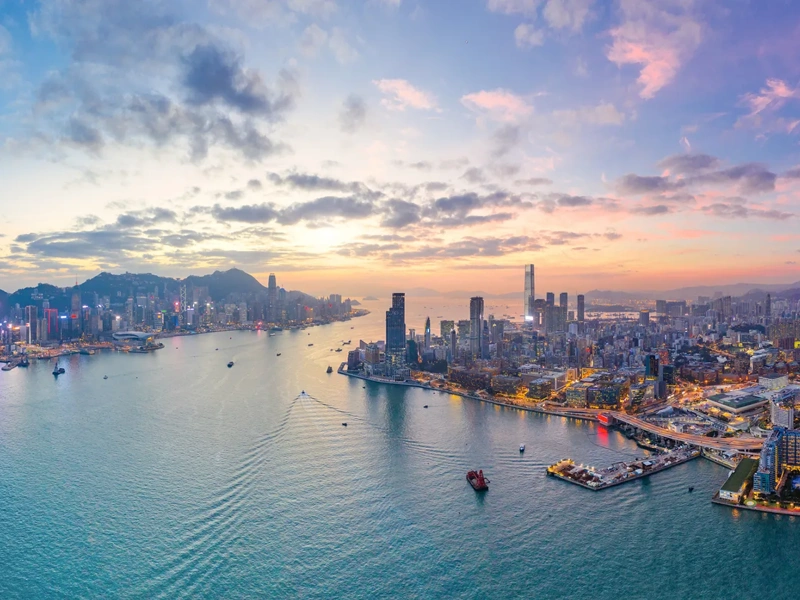
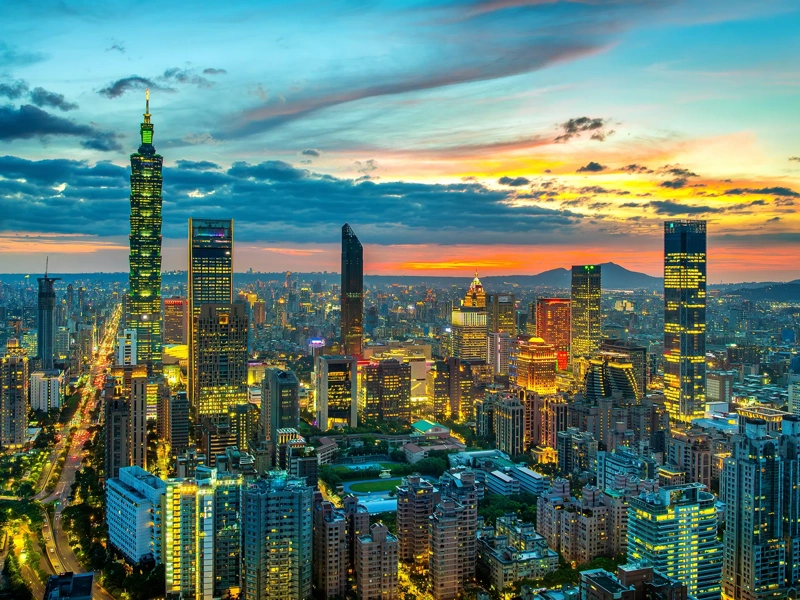
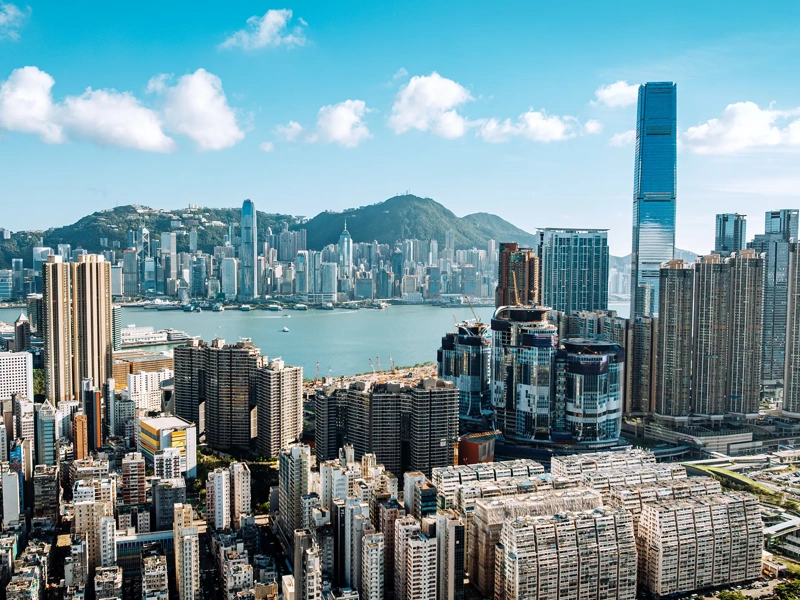
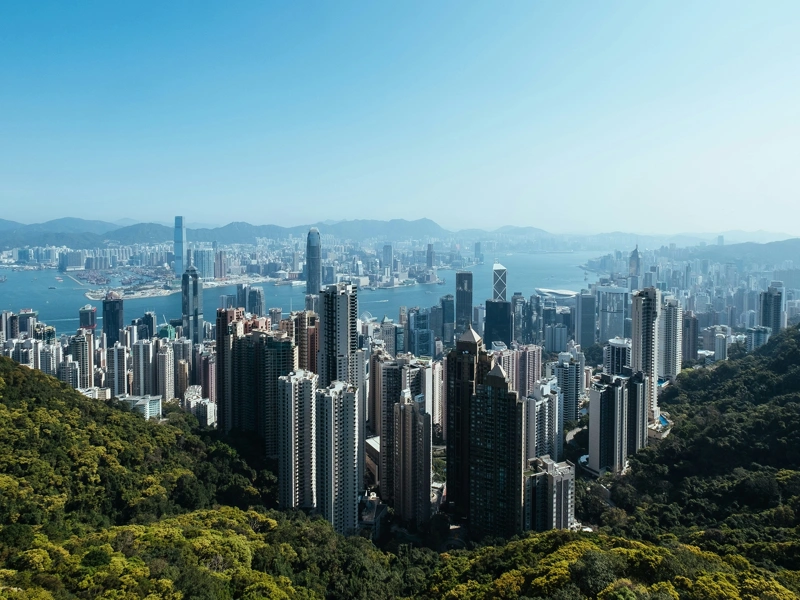
One of the most significant findings from this year's index is how quickly the geography of data centre investment is expanding. Six Asia Pacific locations appear in the index for the first time: Hong Kong, Johor Bahru, Bangkok, Manila, Taipei and Ho Chi Minh City. Together, they account for half of the 12 new markets added globally, highlighting the growth of opportunities across the region.
At one end of the spectrum sit established locations such as Tokyo, Osaka, Singapore, Hong Kong and Auckland, where strong demand and continued investment support growth. At the other end, markets including Ho Chi Minh City, Manila, Taipei, Mumbai and Shanghai offer significantly lower construction costs and are attracting increased attention from organisations exploring future expansion options.
“This spread highlights the region's diversity and the increasing range of options available to organisations planning future capacity.”
However, construction costs alone tell only part of the story. The most attractive markets increasingly combine access to power, digital infrastructure, skilled talent and supply chain resilience alongside competitive cost positions.
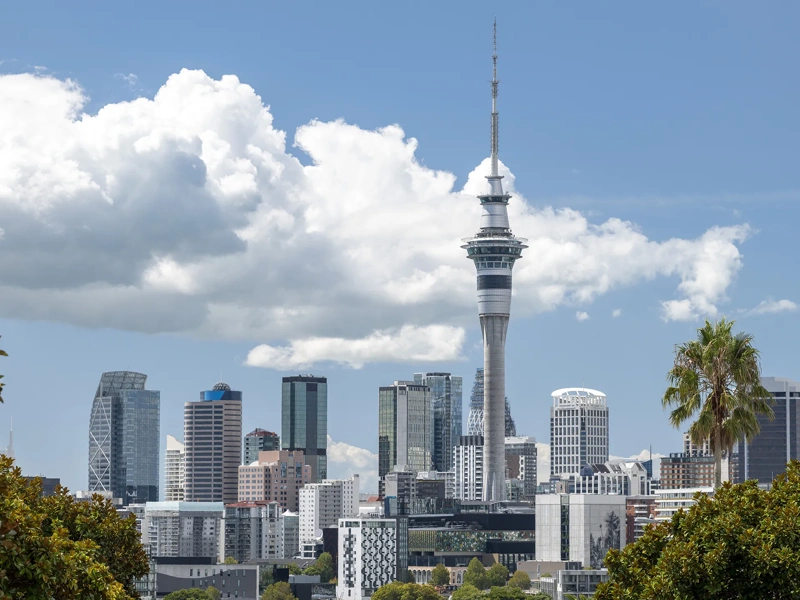
Australia and New Zealand continue to attract strong levels of data centre investment, although market conditions and cost drivers vary considerably between cities. Auckland has risen to become the world's 17th most expensive market for data centre construction at US$12.69 per watt, while Sydney (US$10.74) and Melbourne (US$10.58) rank 41st and 45th respectively.
“The difference reflects the varying characteristics of each market.”
New Zealand’s smaller specialist contractor base, reliance on imported equipment and ongoing labour constraints contribute to higher costs. Sydney and Melbourne benefit from larger pools of experienced contractors and deeper supply chains, although both continue to face growing pressure around land availability and power infrastructure.
Across the globe, securing the resources needed to support growth is becoming one of the industry’s biggest challenges. More than half of survey respondents identified power as a major obstacle to successful delivery, while 52% reported utility connection times taking anywhere between one to two years and almost one-third reported waits exceeding two years.
“Labour constraints are having a similar effect on project delivery.”
81% of respondents said skilled labour availability is either moderately or highly constrained, with demand particularly strong for mechanical, electrical and plumbing specialists required to deliver increasingly complex and power-intensive facilities.
These constraints are encouraging closer collaboration between developers, utilities, contractors and governments. Organisations are increasingly exploring alternative power strategies, longer-term supply chain partnerships and more integrated delivery models to improve certainty and accelerate schedules.
The Asia Pacific data centre market remains one of the world's most dynamic growth stories. AI adoption, cloud expansion and growing focus on data sovereignty continue to drive demand across both established and emerging markets.
Success will depend on more than access to capital. The organisations best positioned to thrive will be those that secure power early, build resilient supply chain partnerships, attract specialist talent and engage proactively with governments and communities. In a market increasingly defined by scale, the greatest competitive advantage may come from managing certainty rather than simply managing cost.
Sign up for our quarterly newsletter - trends, market intelligence and expert perspectives.
Sign up for our quarterly newsletter - trends, market intelligence and expert perspectives.