France
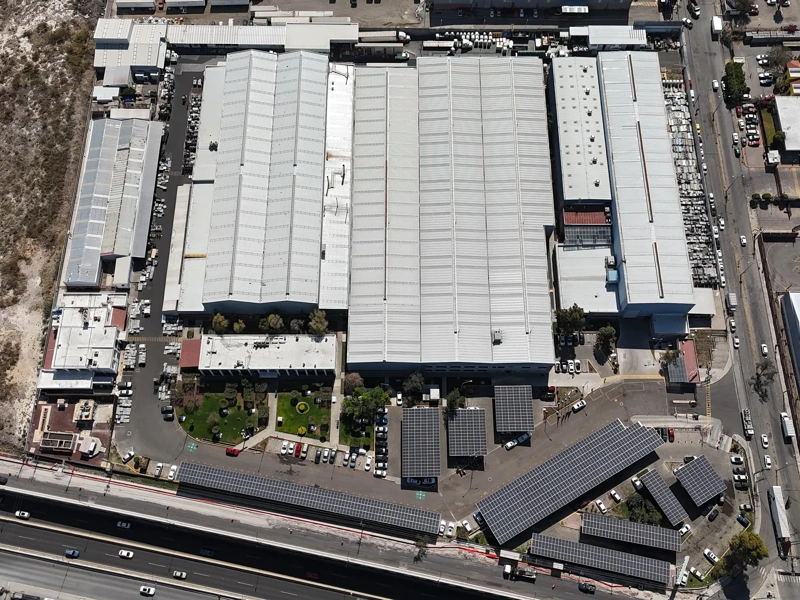
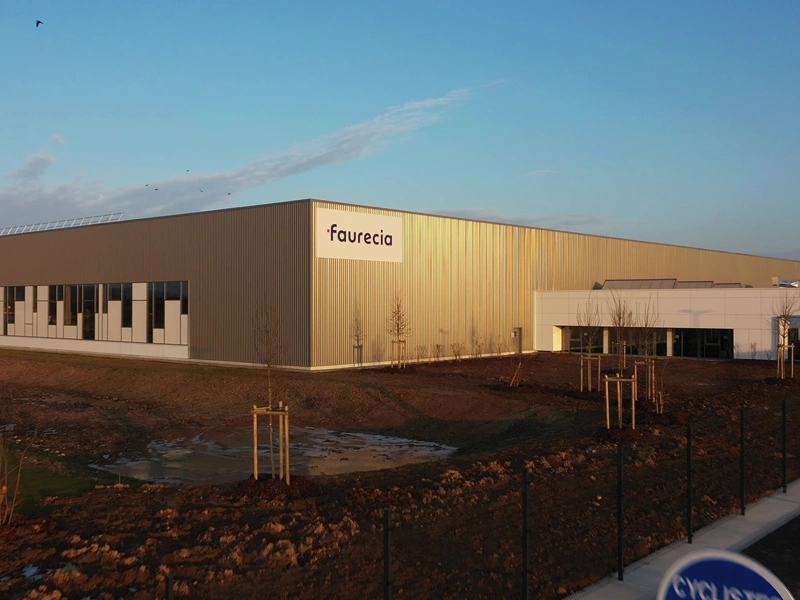
Delivering a low-carbon automotive plant with Faurecia


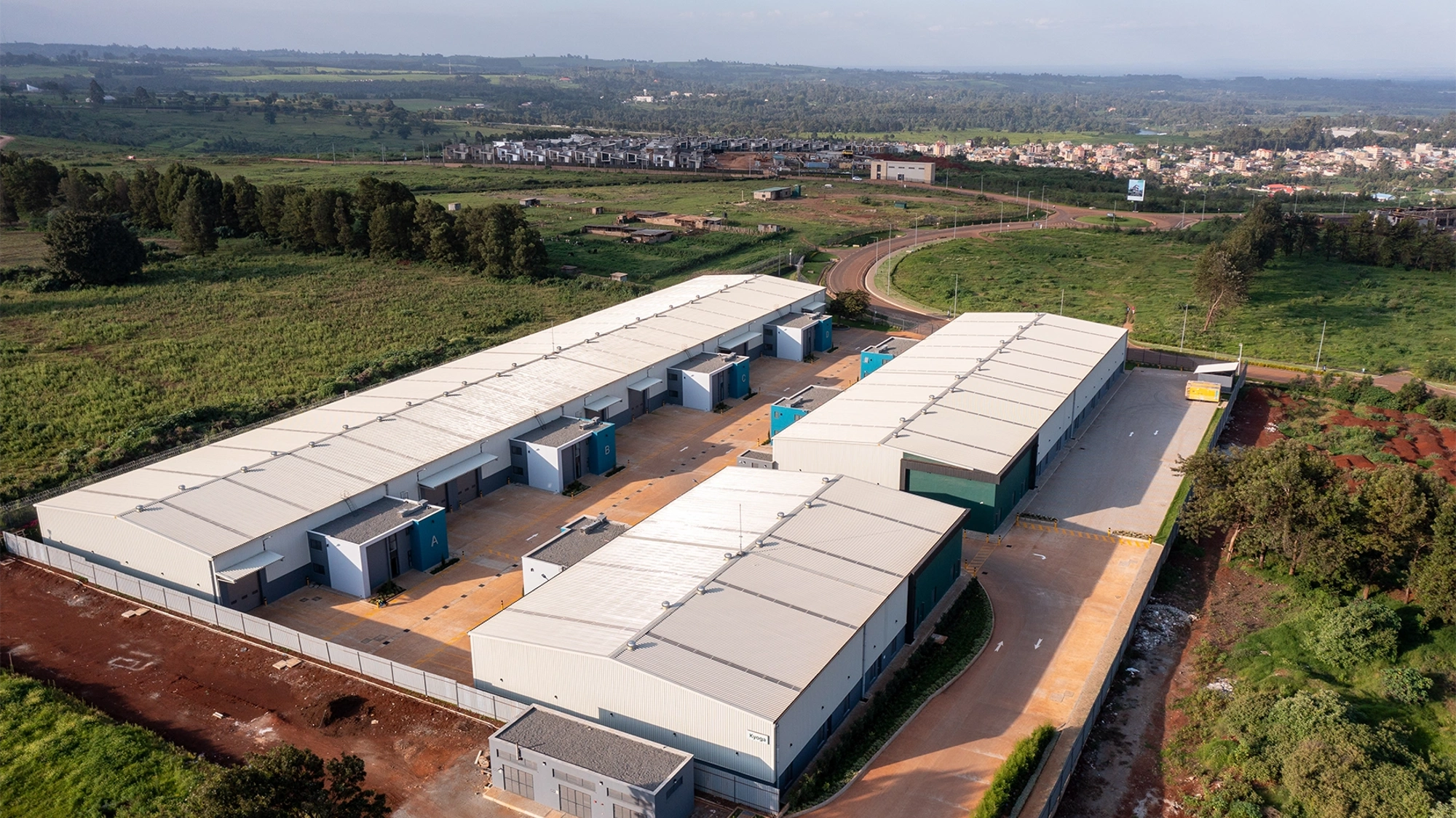

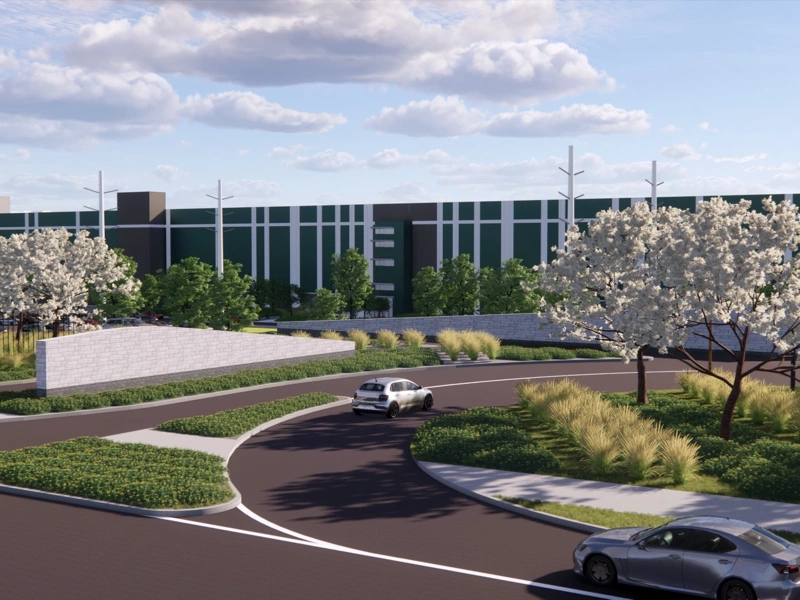
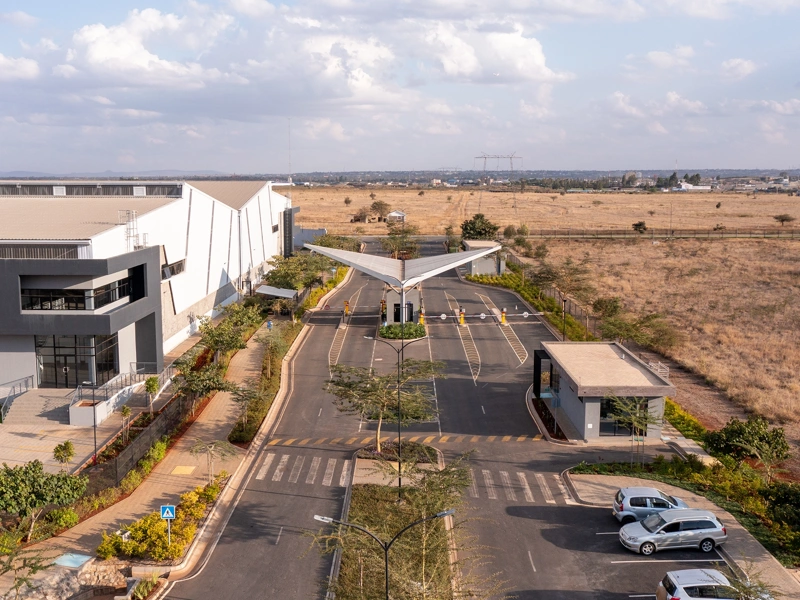
ALP Kyoga comprises three flexible warehouse units arranged around a shared courtyard, prioritising convenience, operability, and maximum efficiency. The space will have a sense of place through the inclusion of active transport provision for walking and cycling, and creating areas of interaction such as breakout spaces, meeting spaces and quiet nodes.
ALP’s developments are the first light industrial warehousing facilities in Africa to meet the World Bank’s Edge efficiency and sustainability standards. All completed developments have achieved Edge certification, exemplifying performance in water and energy savings and less embodied materials which enables tenants to reduce their utility costs by up to 45 percent.
The company is also the first African signatory to the World Green Building Council’s net zero carbon buildings commitment, pledging to reduce all operational emissions across portfolios by maximising the reduction of embodied carbon in new developments and major renovations by 2030.
We were commissioned to deliver project management services, including guidance and management of the Edge certification process, for this stage of ALP’s masterplan.
Through our project management implementation and execution strategies, our understanding of the market, local intelligence, and relationship with the client, we were able to provide quality service in project management and coordination of procurement.
ALP is revolutionising the warehousing and supply chain and setting precedence within the built environment space through intentional design, sustainable initiatives and client-centric features.
This has positively affected the current warehouse market by creating 1,000 quality jobs within the space, and raised awareness of building sustainably.
ALP has committed to reducing its carbon footprint by 2030. ALP have been successful in achieving a saving of 41 percent of renewable energy and natural lighting, 52 percent water consumption by use of water efficient faucets and 50 percent embodied energy in our building materials. Tangibly for our tenants we were able to reduce the utility bills by up to 39 percent.
Sign up for our quarterly newsletter - trends, market intelligence and expert perspectives.
Sign up for our quarterly newsletter - trends, market intelligence and expert perspectives.