Market intelligence:
Tariffs and turbulence


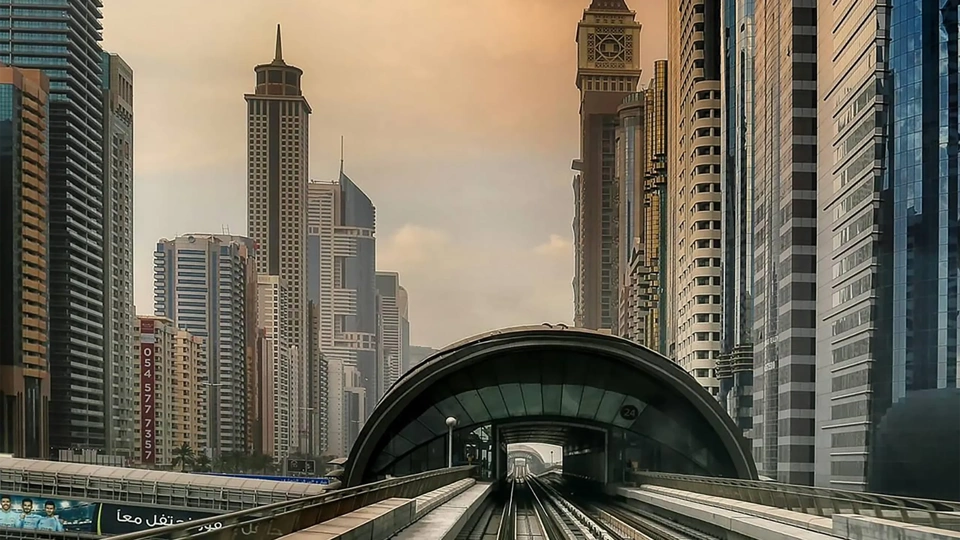

Light rail success is rarely determined by engineering alone. In destination cities, tourism, events and economic performance drive demand. Yet it’s something less visible that shapes delivery and long-term performance.
This success is about how well the railway integrates with everything around it. That integration challenge comes down to interfaces. Interfaces exist whenever one organisation, asset, system or approval process depends on another. Getting them right early is what separates programmes that perform from those that don't.
Core rail systems and rolling stock platforms are becoming increasingly standardised. The rail manufacturing industry has matured and cost efficiencies have followed. The real differentiator now lies in how effectively a railway is embedded into the city it serves.
In narrow city corridors, light rail must share space with busy airports, highways and utilities. It must stay resilient and reach destinations that depend on uninterrupted access. Each of these touchpoints is an interface.
“Together, they shape cost certainty, programme confidence and long-term operational performance.”
When interfaces are clearly defined and actively managed from the outset, programmes tend to progress predictably and perform well in operation. When they're not, problems surface late, and the cost of fixing them is far higher than catching them early would have been.
Not all light rails serve the same purpose. A commuter line connecting suburbs to a city centre faces different challenges from a system designed to move international arrivals, hotel guests and event crowds between an airport, leisure districts and major attractions.
“In destination-led programmes, sponsors can't ask only whether the railway can be built.”
They need to also ask how it will operate alongside airport schedules, destination opening hours, event peaks and municipal constraints. That shifts interfaces with airport operators, venue owners and local authorities to the centre of delivery thinking.
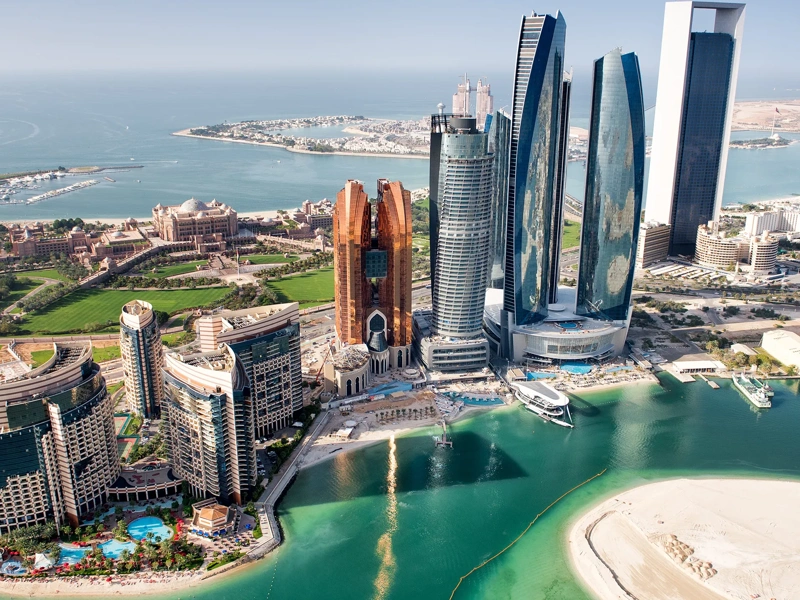
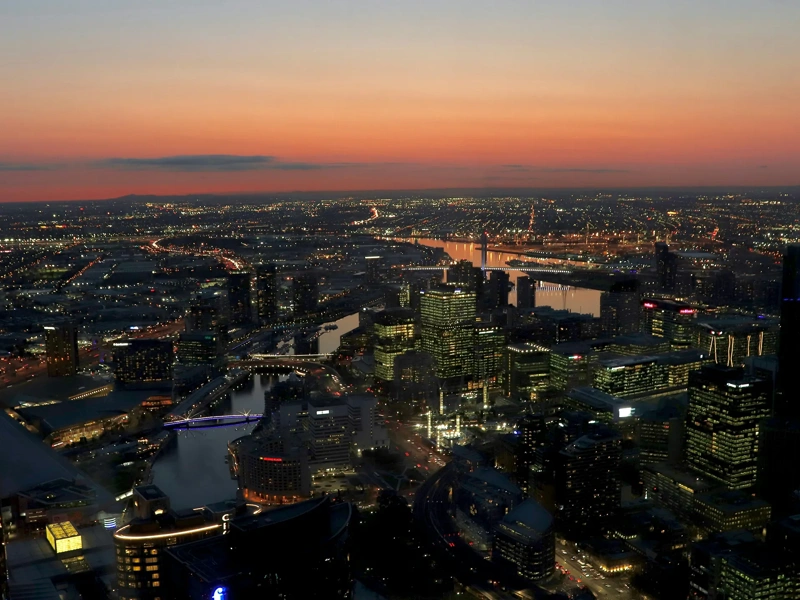
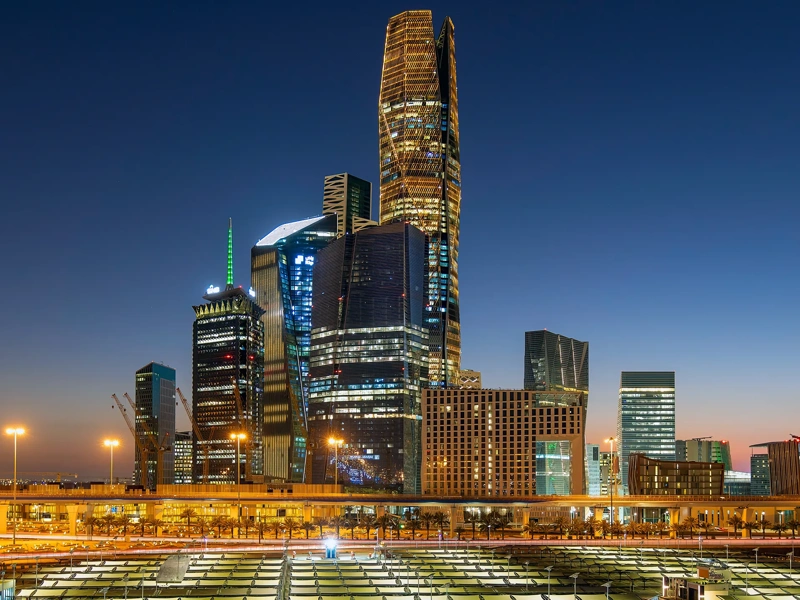
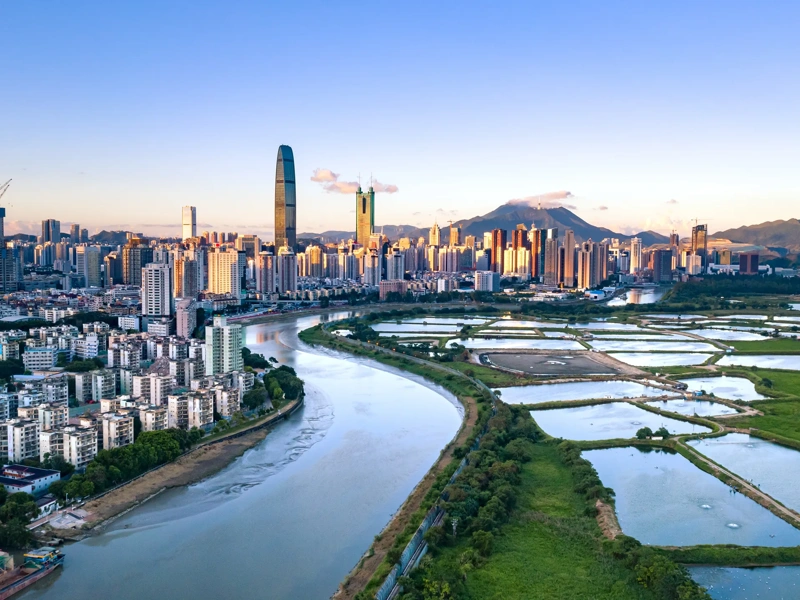
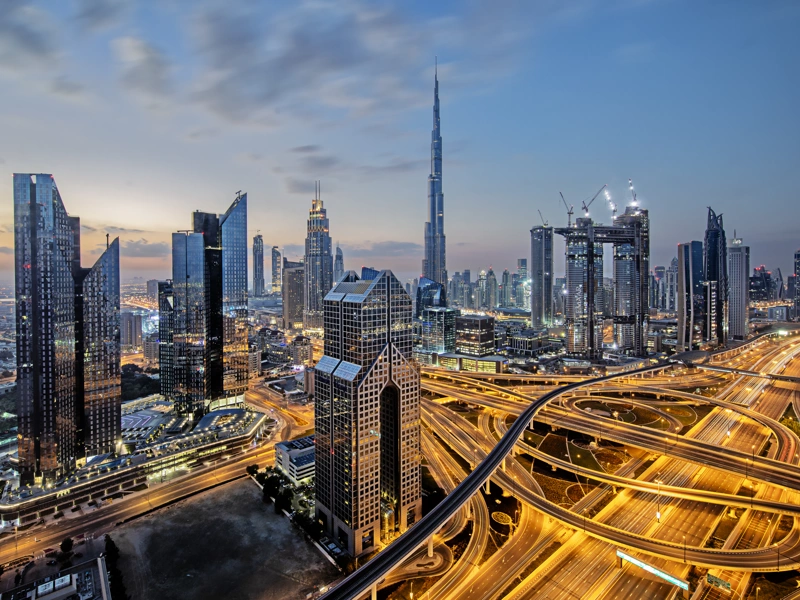
This pattern is visible across multiple markets. Programmes in the UAE, Australia, Europe and North America are increasingly planned not simply as transport infrastructure, but as enablers of footfall and economic performance. High-capacity links between airports, city centres and tourism zones extend catchment areas and allow major developments to operate efficiently at scale.
A common mistake in light rail programmes is to treat interfaces as something to resolve after design is complete, or only once construction is underway.
In practice, authorities, asset owners and operators work within fixed approvals processes and risk management thresholds. When those constraints aren't embedded into the programme baseline from the start, realignment becomes inevitable.
Late emerging interfaces introduce unnecessary risk, erode schedule certainty and drive rework that could have been avoided. Capturing them early makes scope, schedule and procurement more realistic.
“This is a consistent lesson from complex urban programmes.”
On the Elizabeth line, managing interfaces across one of the world's most constrained urban environments was central to delivery. This included live stations, utilities and historic structures.
On Sydney Metro, maintaining alignment across a multi-line, city-wide programme required a portfolio-wide PMO structure. It needed to be capable of tracking dependencies in real time.
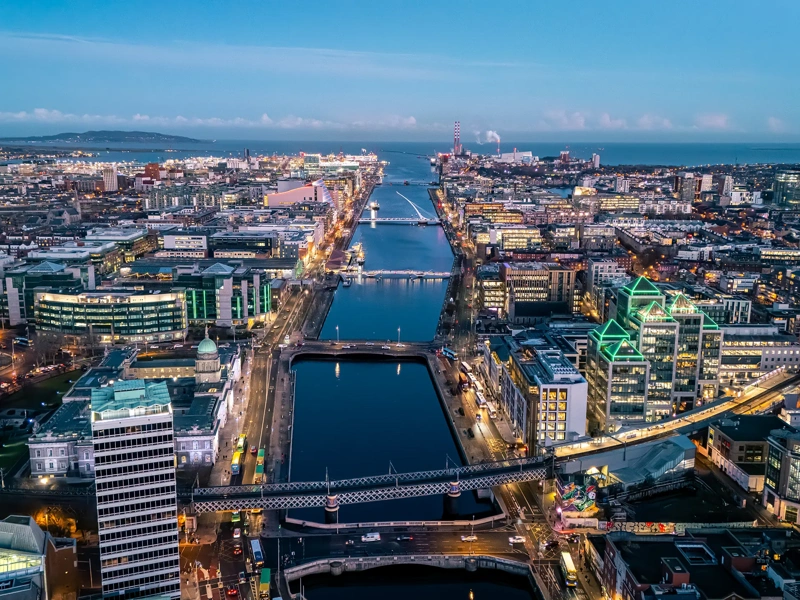
On Dublin's MetroLink, linking the airport, city centre and multiple existing transport networks demanded careful interface definition. This was across dozens of stakeholders before a spade even entered the ground.
The lesson from each of these programmes is the same: interfaces aren’t a delivery detail. They're a programme shaping consideration that needs to be owned from day one.
Procurement is where interface management becomes practical. Integrated design-and-build models only succeed when interface boundaries are clearly defined before going to market.
“Early decisions on station integration, depot sizing, system performance and access rights strongly influence cost and schedule certainty.”
When interfaces are well defined, bidders can compete on delivery rather than pricing unknown risk. When they're not, contingency creeps in, and the programme pays for it.
This is particularly important in destination contexts, where private investment in adjacent assets, leisure facilities, hotels and mixed-use developments adds complexity and creates dependencies that public sector programmes don't always anticipate.
Major destination developments bring significant private investment and ambitious timelines. Meeting the transport needs these developments create will depend less on isolated engineering delivery. It will depend more on clear, early ownership of interfaces across all parties.
“Strong programme advisory and programme management office (PMO) teams provide this discipline.”
They do so by maintaining a live interface register with defined ownership, supported by leading indicators, such as approval process cycle times, utility diversion progress and interface close-out rates.
These teams also run structured engagement with authorities, asset owners and operators, ensuring issues are anticipated rather than discovered late. They also ensure alignment is maintained across complex corridors, linking multiple assets and communities.
That kind of structured approach draws on experience built across high-profile urban programmes. The disciplines applied on the Elizabeth line, Sydney Metro and MetroLink, including controls, cost and commercial management and interface governance, translate directly to destination rail programmes where the stakes for operational performance are high.
The importance of interfaces is often recognised but still underweighted in programme delivery. Too many programmes continue to treat them as issues to resolve later rather than risks to manage from the outset.
“Interfaces don't resolve themselves.”
They require early identification, clear ownership and active management throughout delivery.
In destination cities, where light rail is expected to function as part of a wider economic and urban ecosystem, the cost of getting these wrong goes beyond programme delay. It affects the performance of the destinations themselves.
For sponsors and programme leaders, the question isn't whether to manage interfaces. It's whether you're starting early enough.
Define them clearly, embed them into your baseline and make sure someone owns them. That discipline, applied consistently, is what allows light rail to deliver what destination cities actually need from it.
Sign up for our quarterly newsletter - trends, market intelligence and expert perspectives.
Sign up for our quarterly newsletter - trends, market intelligence and expert perspectives.