Contact
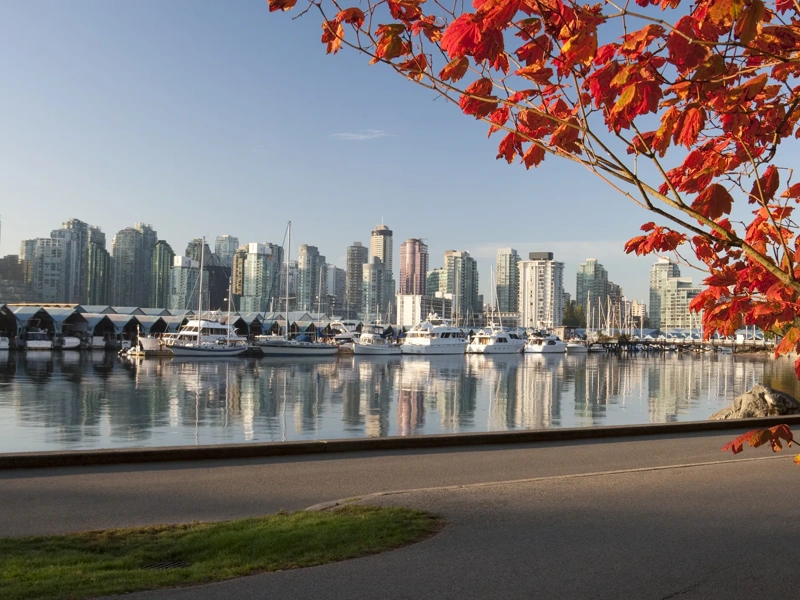
Michael Hardman, Vice President,  standing outside featuring an urban cityscape with tall buildings and a mix of architectural styles. The scene includes some trees with autumn foliage, adding a touch of color.
Michael Hardman
Vice President
Share

On 1 February 2025, the US announced tariffs (a tax on imports) of 10 percent on energy and 25 percent on all other products exported from Canada into the US. We explore how imposed tariffs will impact the economy and construction, and provide step-by-step guidance to navigate this.

How might tariffs impact the construction industry? 

US tariff measures will not only impact the relationship between Canada and the US. Other countries exposed are Mexico, set to incur tariffs of 25 percent on all goods exported into the US, and China, who received 10 percent in addition to current sanctions. 

Just hours before proposed tariffs on Canadian and Mexican goods were set to go into effect on the 4 February 2025, a 30-day reprieve was agreed. This also coincided with a pause on any corresponding retaliatory measures. 

China, however, was not exempt and the US government followed through with their proposed tariffs. Shortly after, countermeasures were put in place by China. These range between 10 and 15 percent, with a focus on energy, and will be implemented alongside export controls on rare metals – many of which are used in high-tech products. 

With a renewed sense of cooperation between the US, Canada and Mexico, based on the 30-day reprieve, a more lasting solution could be on the cards. However, there’s a risk this will not materialise. 

“Recent announcements of a blanket 25 percent tariff on steel and aluminium imports into the US, enforced on 10 February, emphasise this risk.”

The current situation leaves the US economy and its construction industry exposed to increased market volatility and potential tariff implications. 

Tariffs typically make both imports and domestically produced goods costlier. Should they be applied in full force, inflation, alongside unemployment, would rise and Gross Domestic Product (GDP), in tandem, would likely weaken. However, the strength of the US dollar, tariff revenue generation and a transition to domestic production of goods and services could offset those effects. 

According to the Peterson Institute for International Economics, a 25 percent tariff on all goods from Mexico and Canada would significantly stall US economic growth and increase inflation. Their estimates suggest that through the duration of President Trump’s term, US GDP could be nearly $200bn lower than if no tariffs were implemented. 

The impact on US construction could be similar – lower growth and higher costs. Unemployment could also increase as companies cut costs to manage reduced consumption and elevated inventories. In addition, projects are likely to experience delays due to procurement challenges should material provenance shift to an alternative base. 

“While labour availability and capability could be affected, construction employment could perhaps be more impacted by immigration policy and natural disasters than tariffs.”

Materials and machinery and equipment costs arguably bear the initial brunt of the preliminary phases of tariff implementation. The US sources a significant share of lumber, metals and other vital building materials from Canada.  

Meanwhile, Mexico, China and other countries supply steel, aluminium and various manufactured inputs – including mechanical and electrical items. Tariffs placed on these imports will likely elevate construction material costs, affecting both residential and non-residential workloads alongside infrastructure projects and programmes. 

If domestic suppliers can’t expand supply or choose to price near import levels, the supply chain must absorb higher costs, or pass increases through the value chain. When contractors and developers can’t fully transfer these elevated costs to end customers, margins narrow.  

“With borrowing costs already high, added input expenses could further stall new projects, and the balance sheets of firms may become strained - increasing insolvency risks.”

Even now prior to any major implementation, materials and machinery and equipment costs could rise. As speculation grows, forward purchases are being considered and the stockpiling of goods can reduce supply, potentially inflating costs under increasing demand. 

Navigating tariffs for project success  

While the scale may be different, tariffs aren’t exactly a new challenge.  

“Being proactive will allow the best opportunity to mitigate cost increases alongside tariff impacts. Any lulls in tariff implementation is a chance to do exactly that.”

A step-by-step model that factors in project feasibility, design measures and construction best practice is crucial to mitigate the challenges introduced by tariffs.

Pre-project feasibility: determine project feasibility from the outset  

  1. Review all budgets and plan accordingly with adequate contingency. Scenario planning may also help to evaluate the opportunity cost of alternative options and locations. Costs typically increase over time and schedule gains can compromise rates of return should a project pause. 
  2. Even if project viability is compromised – review the overall business case. There may be options that mitigate budgeted costs vs future construction costs. 
  3. Discuss your pipeline with the market. As market volatility and uncertainty increases, open lines of communication about future workloads, specific project risks and opportunities allow contractors to schedule tenders, which can improve collaboration. 
  4. Early engagement with the supply chain can also help warm contractors up to alternative, more suitable, commercial models. Listen to their views on procurement routes, unacceptable risk transfer, and unrealistic deadlines and take this back to project teams. 
  5. Explore structured and scaled procurement programmes to help maintain high-quality standards and supplier engagement. This may also help widen the pool of contractors and other industry operatives to potentially work with. 

Design: evaluate cost efficient measures

  1. Evaluate alternative design options to assess whether the current design is still the most cost efficient following the shift in market conditions and consider local material where practical in terms of time and cost. 
  2. Place early orders/pre-purchase materials, where possible, and try to negotiate stable pricing agreements with pre-negotiated terms of future cost, particularly for materials that are unlikely to change but could be impacted. 
  3. Consider alternative or open specifications to avoid having to use certain manufacturers who may be only in one location. Consider risks when procuring substitutes, as alternative materials and equipment may be less expensive, but changes could impact quality and timelines. 
  4. Reduce onerous terms and improve contract conditions. Complex bid qualification criteria and passing more risk and liability to the contractor can deter collaboration and delay project approval. They may also generate confusion or contention once a project is underway. 
  5. Fixed price contracts may represent a ‘lose-lose’ deal for both parties in the current climate. Alternative forms of procurement and contracts could be explored, which apportion risk fairly and incentivise suppliers to maximise value, rather than hit target costs. 

Construction: keep close to contractors 

  1. Check your contract: 

    For lump sum or stipulated contracts - liaise closely with your supply chain to ensure there is an understanding of risk and pain and gain mechanisms as contractors and sub-contractors will likely have already committed to pricing.

    For cost plus contracts - review current budgets and re-baseline these where applicable based on the likely impact of tariffs on material costs. This will vary by project and depend on several nuances - including project stage and scope. 

  2. Engage with contractors and collaborate on risk management strategies around the potential impact on cost of materials and machinery and equipment not already ordered and potential cost impacts. 
  3. Review change orders for contractual viability. A 25 percent tariff doesn’t always mean a 25 percent cost increase. 
  4. Monitor staffing trends and discuss labour pipelines with contractors. Schedule may be affected by changes to labour availability should personnel be downsized to mitigate material cost increases and/or balance sheets become strained. 
  5. Stay close to the supply chain to understand financial health, stability and insolvency risks to help avoid disruption and delays. 

Although tariffs implementation has created instability and uncertainty within the construction industry, robust planning, careful monitoring and working closely with supply chains can help to moderate the impact during this period of instability. 
MARKET INTELLIGENCE REPORTS

Explore our flagship, data-led market intelligence reports

Aerial view over the city center by night including central train station
Market intelligence:

Managing viability amid volatility 

12 May 26

3 min read

Aerial blue-hour view of the Düsseldorf skyline along the Rhine River, featuring the illuminated Rheinkniebrücke leading toward the city center and the Rheinturm rising above modern buildings. City lights reflect on the calm water, creating a clean, contemporary European cityscape. North Rhine–Westphalia, Germany, Europe.
Market intelligence:

An uncertain rebound in German markets

20 Apr 26

1 min read

Sunset in Pudong, Shanghai captured on the rooftop of a high-rise building in Puxi
Market intelligence:

Challenges reshaping China's construction industry

16 Apr 26

6 min read

Seattle, Washington state, United States.

Market intelligence:

The US tariff divide

15 Apr 26

3 min read

Aerial shots of Downtown at twilight, Taiwan.
Market intelligence: AI steers Taiwan’s growth amid structural pressures

15 Apr 26

6 min read

A beautiful sunrise sky over the Peace Bridge and the Bow river in the summertime.
Market intelligence:

An era of uncertainty in Canada 

14 Apr 26

2 min read

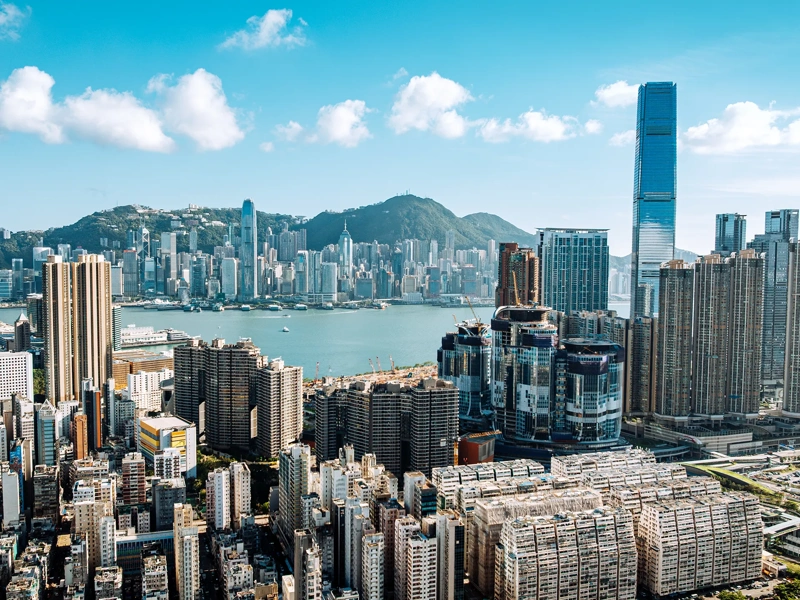
Urban skyline of Hong Kong city featuring high-rise buildings and the harbor surrounded by mountains and blue skies.
Market intelligence:

Economic conditions boost Hong Kong construction

23 Mar 26

4 min read

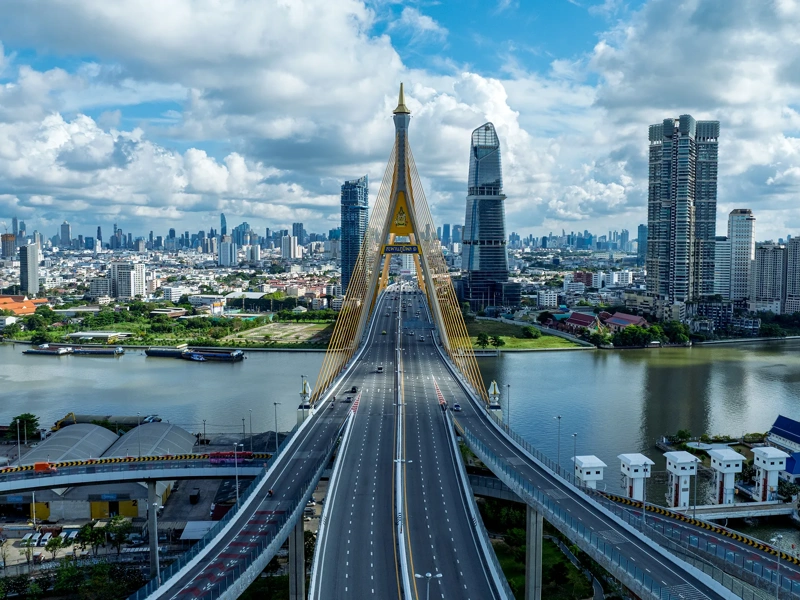
Bhumibol Bridge, Bangkok, Thailand
Market intelligence:

Thailand 2026: a market moving at two speeds 

23 Mar 26

6 min read

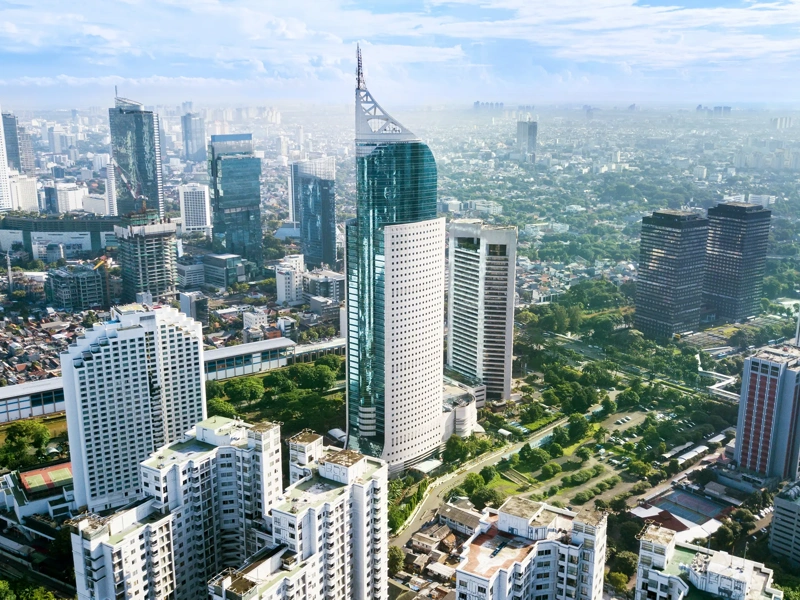
Aerial photo of iconic BNI 46 Tower with located in South Jakarta Central Business District,
Market intelligence:

Indonesia’s growth: progress in small steps 

17 Mar 26

6 min read

Osaka, Japan downtown cityscape in the Umeda District at twilight.

Market intelligence:

Trends shaping Japan's construction market in 2026

12 Mar 26

6 min read

View from a high vantage point overlooking the southern part of Penang Island, including the Bayan Lepas H
Market intelligence:

Malaysia’s shift to high-value builds

12 Mar 26

6 min read

Bangalore city Aerial view at sun set with pink and orange skies.
Market intelligence:

India's construction thrives despite costs and strains

9 Mar 26

5 min read

Night Chicago Skyline At Chicago In Illinois United States. Illuminated Downtown. City At Night Landscape. Chicago At Illinois United States. Chicago City District. City Skyline Scene.
Market intelligence:

Chicago construction cost and market overview 2026

6 Feb 26

3 min read

Skyline view of central business district Auckland, New Zealand
Market intelligence:

Shifting conditions shape 2026 outlook in Australia and New Zealand

5 Feb 26

2 min read

High panoramic view of the urban skyline of London, England, with the river Thames leading into the City disctrict and beyond during a beautiful sunset
Market intelligence:

UK market intelligence

26 Jan 26

3 min read

Part of Abu Dhabi, UAE with tall buildings and surrounding area viewed from the helicopter. Many details are visible in the image.
Market intelligence:

United Arab Emirates

27 Oct 25

3 min read

A breathtaking aerial view of Sydney's skyline at sunset, showcasing towering skyscrapers, a glowing sky, and serene waters in the distance
Market intelligence:

Australia and New Zealand 

23 Oct 25

2 min read

Beautiful aerial view of downtown Vancouver skyline, British Columbia, Canada with red and orange autumnal leaves
Market intelligence:

Canada

6 Oct 25

1 min read

Aerial view of Riyadh at night with illuminated modern skyscrapers and busy streets under a clear dark sky, Al Olaya street
Market intelligence:

Kingdom of Saudi Arabia

15 Sept 25

2 min read

Drone view of Shenzhen Hong Kong border at sunset
Market intelligence: Confidence improves Hong Kong construction outlook

8 Sept 25

7 min read

Aerial photography of Lujiazui, Huangpu River, Shanghai, China, Asia.
Market intelligence: China’s construction market

28 Aug 25

6 min read

Singapore cityscape during sunset
Market intelligence: Singapore’s construction sector gains momentum

26 Aug 25

5 min read

Ariel view of city skyline at sunset with boats on river.
Market intelligence:

United States

20 Aug 25

3 min read

Aerial view of cranes in a construction site in downtown Tokyo.
Market intelligence: The way forward for Japan's construction industry

13 Aug 25

7 min read

HI roundabout is located in Jakarta
Market intelligence: Indonesia’s construction sector finds its footing

7 Aug 25

5 min read

Aerial view of London skyscrapers and flats.
Market intelligence:

United Kingdom

29 Jul 25

3 min read

Aerial view of a city park with lush greenery, walking paths and a lake, set against a backdrop of tall sky scrappers
Market intelligence: Higher build costs, but Malaysia’s edge holds firm

23 Jul 25

6 min read

Aerial view of modern city skyline at sunset, with high rise buildings, a riverfront with docks and green parkland in the foreground.
Market intelligence:

Australia and New Zealand

22 Jul 25

3 min read

Toronto skyline viewed from across lake Ontario, featuring the CN tower prominently in the centre, with the Rogers centre dome visible to the left.
Market intelligence:

Canada 

14 Jul 25

1 min read

Futuristic Modern Skyline with Reflection in the Still Corniche Bay Waters, Last of the Sunlight Falling on the Buildings.
Market intelligence:

Qatar

6 Jun 25

2 min read

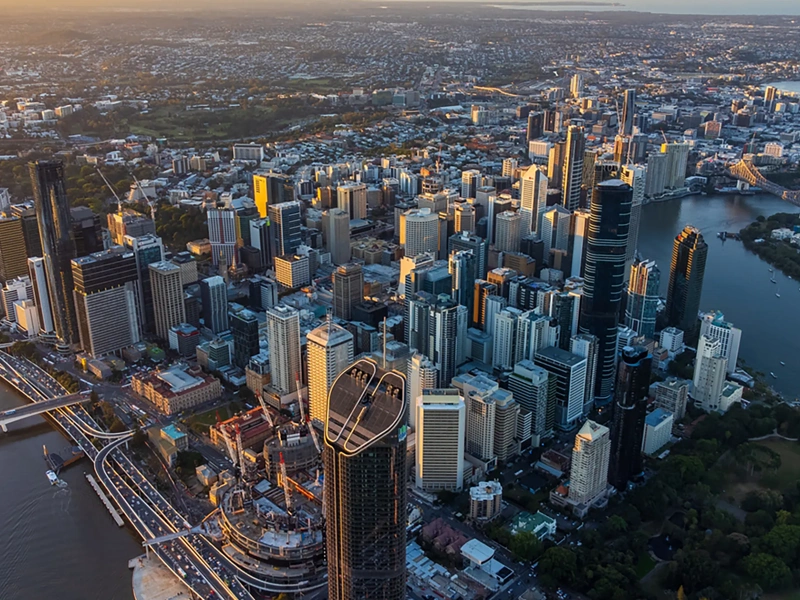
Skyline shot of Brisbane city during the sunset
Market intelligence:

Australia and New Zealand

12 May 25

2 min read

A beautiful image of the Halifax, Nova Scotia, Canada skyline at sunset.
Market intelligence:

Canada 

6 May 25

2 min read

Landscape view of Las vegas during sunset, wth all the lights on the building lit up.
Market intelligence:

Las Vegas

23 Apr 25

2 min read

Business Skyline in Frankfurt
Market intelligence:

Germany 

22 Apr 25

1 min read

Yellow and red staircase in a black building with people chatting and walking down.
Market intelligence:

Republic of Ireland

17 Apr 25

2 min read

Low shot view of city with pink and orange neon lights on building.
Market intelligence:

United States

26 Mar 25

3 min read

skyline view of London building at night
Market intelligence:

United Kingdom: solving skills shortage

25 Mar 25

3 min read

Phoenix, Arizona skyline at dusk stock photo
Market intelligence:

United States: a pivotal moment

9 Dec 24

3 min read

Singapore at night with glass skyscraper buildings and brightly lit roads with traffic
Market intelligence:

Singapore: set for growth

3 Sept 24

2 min read

Collection of skyscrapers over a bridge at sunset
Market intelligence:

United States: slowing down

29 Aug 24

3 min read

Hong Kong skyline of skyscraper buildings
Market intelligence:

Hong Kong: economic resilience

14 Jun 24

3 min read

UAE Skyline at night
Market intelligence:

United Arab Emirates: remaining resilient

7 May 24

2 min read

Commuters at Liverpool train station
Market intelligence:

United Kingdom: preparing to pivot

7 Dec 23

5 min read

Dublin skyline taken from IFSC, Dublin, Ireland
Market intelligence:

Republic of Ireland

3 min read

EXPLORE MORE
A group of employees having a casual chat in the break room with a table with apples.
Services
Battersea Power Station lit up at night, view from the Thames with buildings in the backgroundImage courtesy: Placeholder
Sectors
Google Bay View in the USA.Image courtesy: Iwan Baan
Projects