Market intelligence:
Tariffs and turbulence


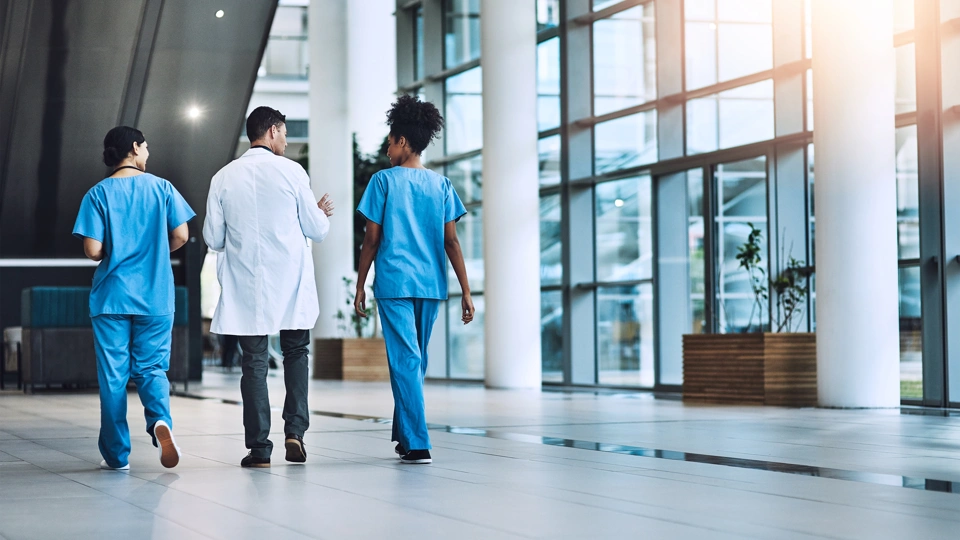

Priscilla Radice is Deputy Director General at the Health Capital Division for Queensland Health. She is leading the state’s ambitious pipeline of investment worth more than AU$14bn that is transforming infrastructure planning and delivery.
We spoke to Priscilla to understand how her team and partners are effectively mobilising this major programme, and how groundwork is being laid for the future.
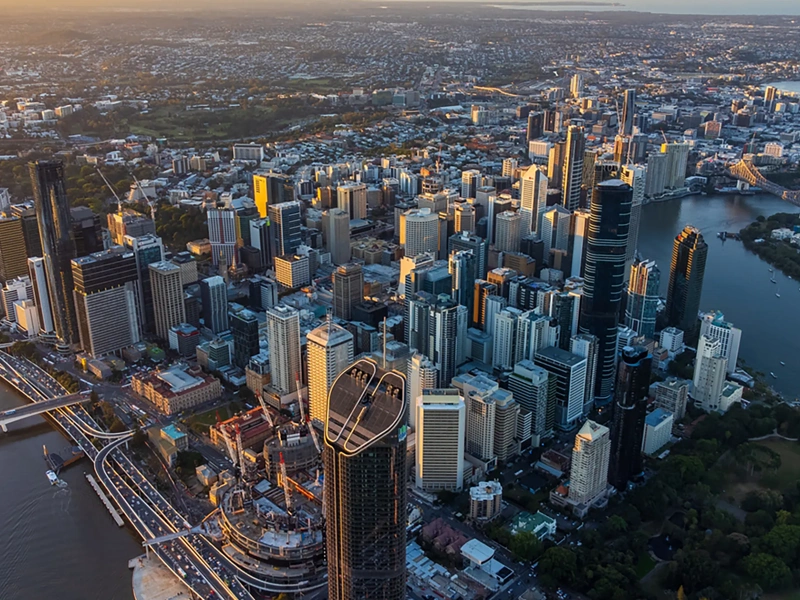
A. Queensland’s population is growing. That was the case prior to the COVID-19 pandemic, and it has only accelerated since. We will have six million people just in Southeast Queensland by 2046, which is nearly 60 percent more than we have now.
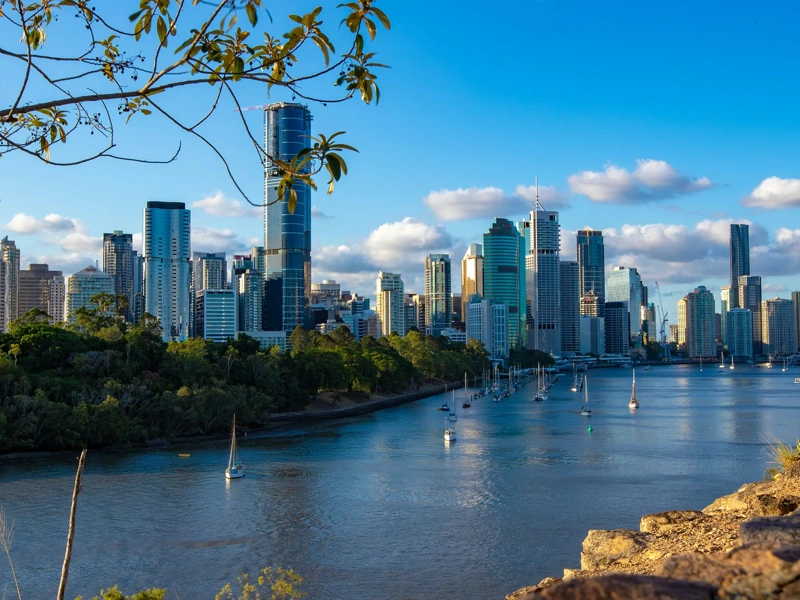
Growth in Brisbane and other communities along the coast is a big driver for major new investment, including across 12 existing hospitals spread from Cairns along to the Gold Coast, and four entirely new ones. In total, the AU$9.85m Capacity Expansion Program (CEP) will deliver 2,200 additional beds between 2026 and 2028 alone.
However, that is far from the whole story and the overall programme is focused not just on capacity, but on improving access and standards of care. We have a widely distributed population, with 17 percent living across 95 percent of the land. In these areas, the population might not be growing, but the asset base is ageing and needs investment.
The wider pipeline of health projects need to focus on these community assets just as much as large-scale infrastructure – replacing or enhancing existing healthcare facilities to ensure they meet the needs of the community. This is why we are rolling out a Building Rural and Remote Hospitals Program, worth over AU$1bn, replacing aging facilities across the state using modern methods of construction, to support communities outside of major centres.
Equitable access is a really important consideration. Our First Nations communities have grown by nearly 25 percent since 2016 and that closely aligns with the focus on rural healthcare too. As well as overall demographic growth, we have an ageing population, and this contributes to a general increase in demand. We are working on the basis of a 33 percent increase in GP presentations by 2026 and around a 35 percent increase in emergency departments.
We have delivered five of the seven planned satellite hospitals to bring care closer to home, including minor injury and illness clinics and other referral services matched to locals need, already resulting in a 13 percent decrease in Emergency Department presentations at the major hospitals in these locations so far. Demand for mental health services is also growing rapidly and it is clear that we need spaces to accompany new models of care.
A. When we established Health Capital Division in October 2022, we recognised that we needed to think not just about what we are building, but how we deliver the programmes. We identified the need to integrate with the 16 hospital and health services to deliver these projects and take this partnership-based approach with our suppliers as well.
Infrastructure in general is one of our least productive sectors globally and we need to look at how we get the industry onto a sustainable footing if we are to succeed in delivering our healthcare outcomes. The way we look at the division is as a start-up – working at a programme and system level to deliver infrastructure differently.
A critical factor is to understand where we are competing for investment, skills and resources. We are taking a wide view of pressures in the market and factoring them into our programme, including the Brisbane 2032 Olympic and Paralympic Games.
The big advantage that we have is we have confidence in funding for this first big build. That gives us the power to guide investment in ways that will play out positively later down the line. We are currently working on delivering the first tranche of an intended 15-year pipeline of work, so we are also developing the business cases for the second tranche of investment post 2028 and taking a forward view on what the third tranche could look like too.
A. The success of any programme relies on striking the right balance in where you are drawing your experience from. Our model is to ensure that we are a capable client by establishing project management principles with our suppliers. This includes having all the managing contractors on the CEP project working with us collectively to jointly solve problems, innovate and collaborate. We have hired over 200 people in nine months and created our own Health Capital Division graduate programme.
That model means we can then get the best from our partners. We want to be really collaborative, and we expect our suppliers to work with us to look at programme-wide challenges and how we fix them. This is a big cultural shift for some parts of the industry, especially many project managers who are used to taking a more transactional approach, but it is essential to make sure that every part of the programme is pulling in the same direction. We are being supported by new digital tools too. They provide visibility on key workstreams and data so we can spot potential bottlenecks and early warning signs.
A. More than 80 percent of the CEP is utilising standardised designs. This can make us more effective in our delivery while also supporting consistent long-term management too. In our rural programme, we have had a particular opportunity to use modular construction, including for staff accommodation.
It is important to be aware of what you can lose and gain from standardisation. That is why we have also introduced Queensland Health Design Principles looking at global best practice to ensure quality. For example, placemaking is incredibly important in a healthcare setting – making sure people inside and outside the hospital feel well. That needs to be considered in the design. Negotiation and discussion with healthcare practice teams must be a given, so designs are fit-for-purpose while being affordable and enabling future uses and models of care. Being efficient in design does not simply mean everything looks the same.
Standardising designs is the first step in moving towards modern methods of construction at scale, to reach a stage where we are building using a set of established components that can then be put together in multiple ways: so we get the benefits of a manufacturing mentality when it comes to quality and speed of delivery, without losing the ability to build flexibly.
However, a fully optimised offsite industry relies on volume and pipeline certainty. While we can play a part in that, we need to look at the wider construction sector too. We are talking to partners in other states in Australia about how we collectively shape programmes and standards that support a move to industrial design and manufacturing.
A. Health infrastructure is just one part of the wider health sector’s carbon impact. We need to look at reducing carbon through development, but also how what we build interacts with systems operationally. Operations is the biggest contribution to carbon.
We should be asking what hospital operations look like under circular economy principles. What would a loading dock, for example, look like if you were recycling 95 percent of your waste? In this sense, we are acting as custodians of the whole system. Assessing sustainability and cost together is important. Sustainability initiatives should not have to compete with clinical scope when you are managing budget pressures, so we are working on defining initiatives that cannot be value managed out.

Sign up for our quarterly newsletter - trends, market intelligence and expert perspectives.
Sign up for our quarterly newsletter - trends, market intelligence and expert perspectives.